
CW – Simple Standard
The clean color foundation of the CW series
Some lessons arrive too late to save the photograph.
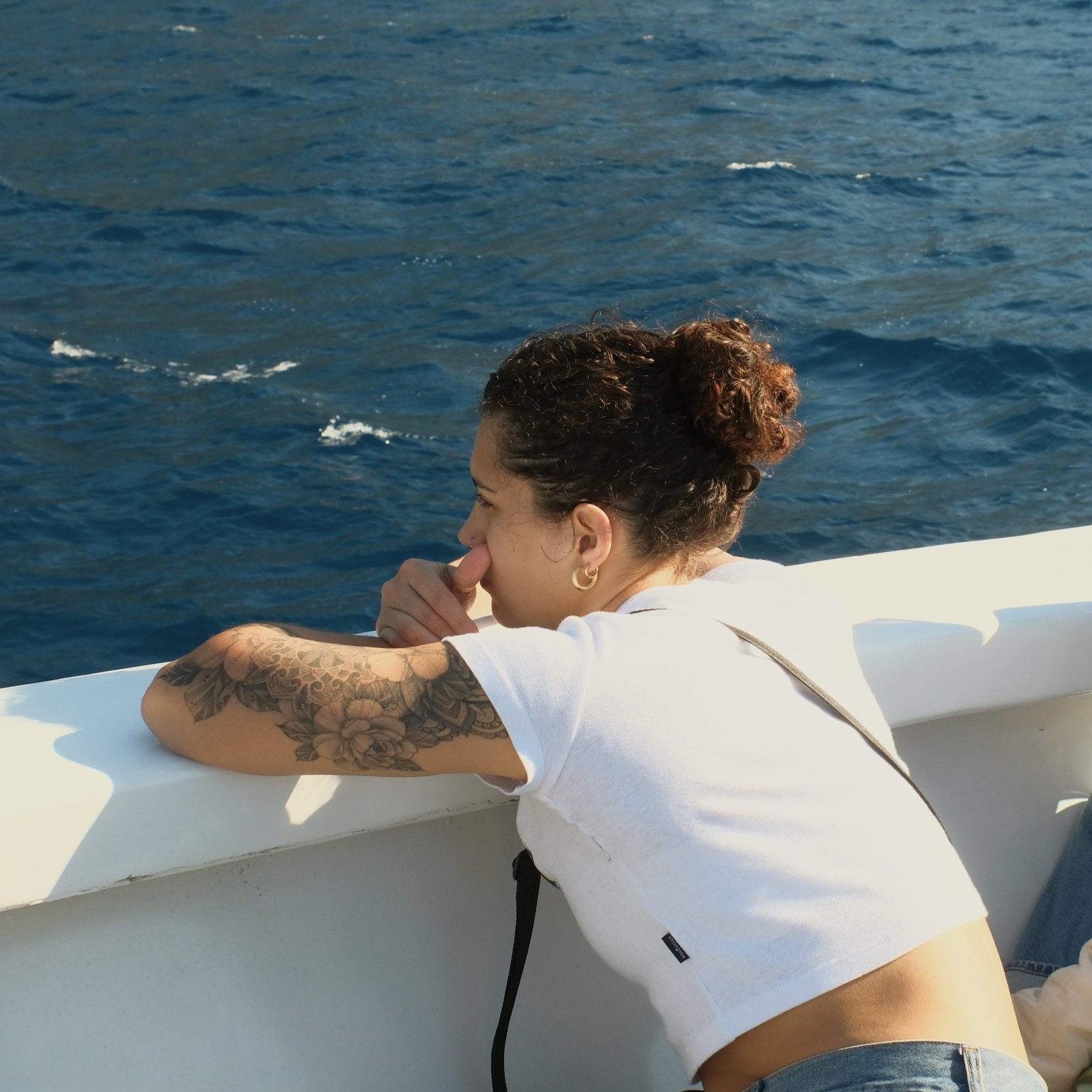
I was on a boat between Amalfi and Positano. One of those crossings where the light hits the water and the cliffs and the pastel villages all at once, and you reach for your camera because you know the moment won't last. I shot. The light was warm, the Mediterranean was impossibly blue, the scene was everything you imagine when you think of the Italian coast.
The files were cold. Too saturated in the wrong places. The recipe I had loaded was doing something technically correct but emotionally wrong. It was reading the scene like a northern European afternoon rather than a southern Italian summer. The warmth I had seen with my eyes was gone. What remained was accurate but lifeless.
I couldn't fix it on the boat. I couldn't fix it that evening. It was only back home, working through the RAF files in X-Raw Studio — Fujifilm's own processing software, which lets you apply and adjust recipes to existing RAF files — that I found what the images should have looked like all along. That process of recovery became the foundation of CW – Simple Standard.
What this recipe is
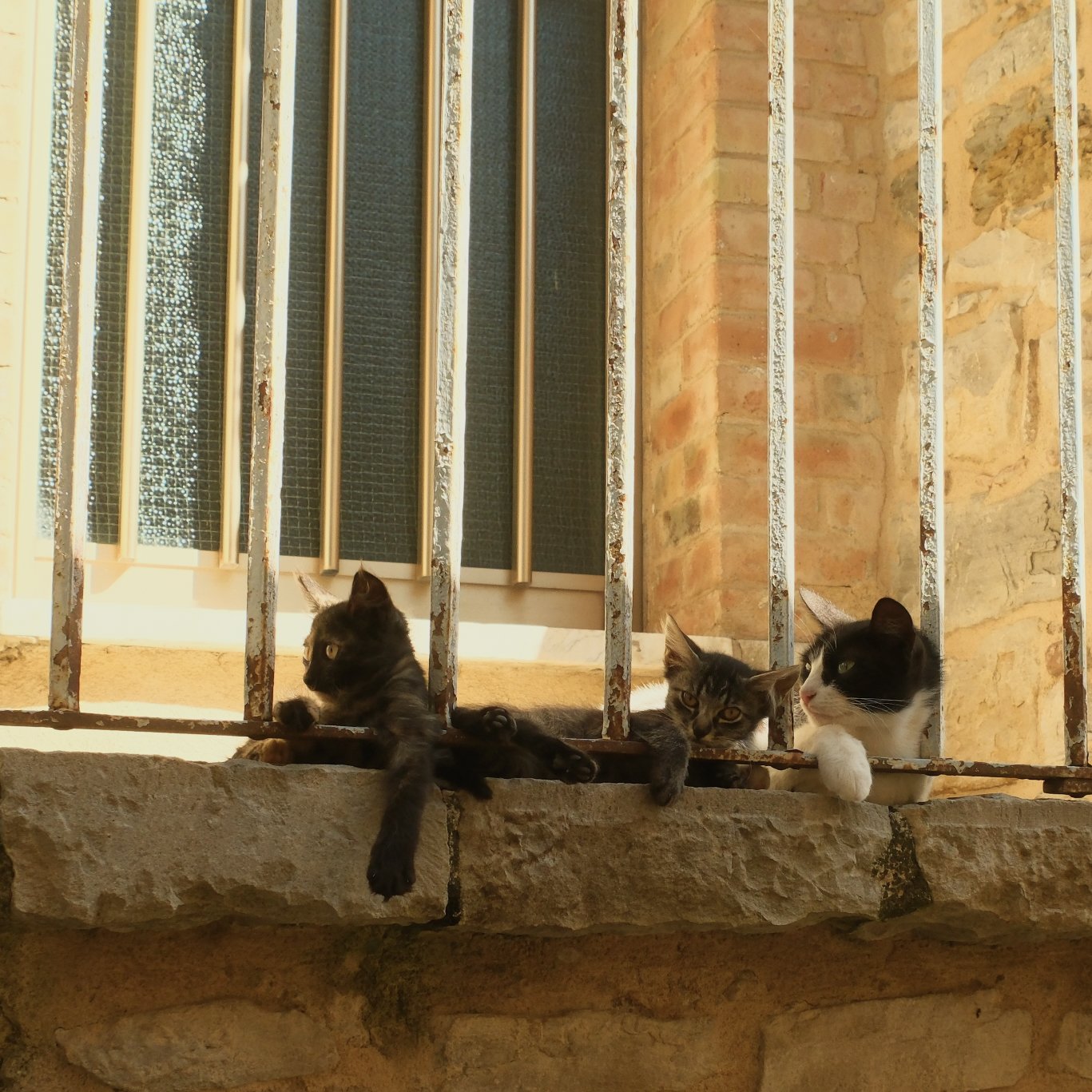
CW – Simple Standard is a clean, natural color profile built on Provia, Fujifilm's most balanced and neutral film simulation. It is not a recipe with a strong personality. It does not impose a mood or push colors toward a particular aesthetic. What it does is render light honestly, with a subtle warmth that feels right across a wide range of situations.
It is the color foundation of the CW series. The recipe you reach for when you want the camera to be invisible and the image to feel effortless.
The settings and their intent
Provia as the base simulation establishes a neutral, balanced platform. It does not add drama, does not pull colors in any particular direction, and handles transitions between highlights and shadows smoothly. It is the right starting point for a recipe meant to work everywhere.
DR400 preserves dynamic range in high-contrast situations : bright coastlines, open skies and backlit subjects. It is a safety net that costs nothing and saves often.
Color +2 adds just enough saturation to give the image life without tipping into artificiality. Provia at its default can feel slightly flat in certain lighting conditions. This adjustment brings it to a natural, lively rendering that works well across skin tones, foliage, and architecture alike.
Highlight +2 and Shadow –1 create a tonal curve with open and luminous highlights and shadows that retain detail without becoming too dense. The result is an image with a light, airy quality, approachable rather than dramatic.
Sharpness +3 keeps the rendering crisp on modern Fujinon lenses without introducing edge artifacts.
White Balance Auto with R+4 / B–6 is the adjustment that would have saved my Amalfi photographs. This subtle warm shift gives the image a natural, professional feel, particularly in the kind of warm and directional light you find on a Mediterranean afternoon, or around a table lit by candles and good conversation.
No grain. No Color Chrome. No Clarity. The recipe keeps its rendering clean and unmanipulated. A deliberate choice to let the subject speak rather than the processing.
Full settings
- Film Simulation: Provia
- Dynamic Range: DR400
- Grain Effect: Off
- Color Chrome Effect: Off
- Color Chrome Blue: Off
- White Balance: Auto, R+4 / B–6
- Highlight: +2
- Shadow: –1
- Color: +2
- Sharpness: +3
- High ISO NR: 0
- Clarity: 0
- ISO: Auto, 500 to 3200
- Exposure Compensation: –1/3 to +1/3

When to use it
CW – Simple Standard performs well in daylight, overcast conditions and warm artificial light. It handles skin tones naturally, renders color with honesty and produces files that are easy to live with.
It is particularly well suited to the kind of photography I return to most often : meals shared with people I love, travel snapshots, quiet documentary moments. Situations where you want the camera to be invisible and the image to feel effortless.
The Amalfi photographs I missed taught me something useful: a recipe is not just a technical profile. It is a commitment to a way of seeing. CW – Simple Standard is my commitment to seeing light as it is : warm, honest, and unhurried.