
Introduction
Seven Recipes for Slow Light : A Fujifilm series inspired by Leica, cinema and the art of seeing quietly
I came to photography the slow way.
In my early twenties, I learned to shoot on film, black and white, developed by hand in a darkroom. I learned to read light before pressing the shutter. I learned to wait. When digital arrived, I walked away. The early files felt cold, mechanical and unworthy of the patience photography demands. So I did other things for a long time.
Then, with retirement on the horizon, I picked up a camera again. Digital technology had quietly caught up with what I remembered film could do. And the Fujifilm X100vi — compact, precise and deeply customizable — turned out to be exactly the instrument I was looking for.
Why recipes?
The X100vi offers something unusual among digital cameras: the ability to save up to seven fully customized film simulation profiles, what the Fujifilm community calls recipes. Each one is a complete set of in-camera parameters that shapes how every JPEG is rendered straight out of the camera. No post-processing. No Lightroom. Just light, glass, and a carefully tuned profile.
Seven slots. Seven recipes. A natural constraint that became a creative discipline.
Over the past several months, I built mine from scratch, one by one, each one teaching me something the previous one hadn't. They are not presets borrowed from the internet. They are the result of shooting, adjusting, shooting again, and asking myself each time: does this feel like what I was looking for?
But there was another layer of intention beyond the look of each individual recipe. Each one is built on a different Fujifilm film simulation: Provia,Monochrome+R, Reala Ace, PRO Neg Std, ACROS, Eterna Cinema and Astia. Seven recipes and seven distinct simulation engines. The result is a camera that can genuinely shift character depending on what the moment calls for, not just in tone or contrast, but at the level of how color and light are fundamentally interpreted. Seven slots fully used means a X100vi that is, in practice, seven different cameras.
What I was looking for?
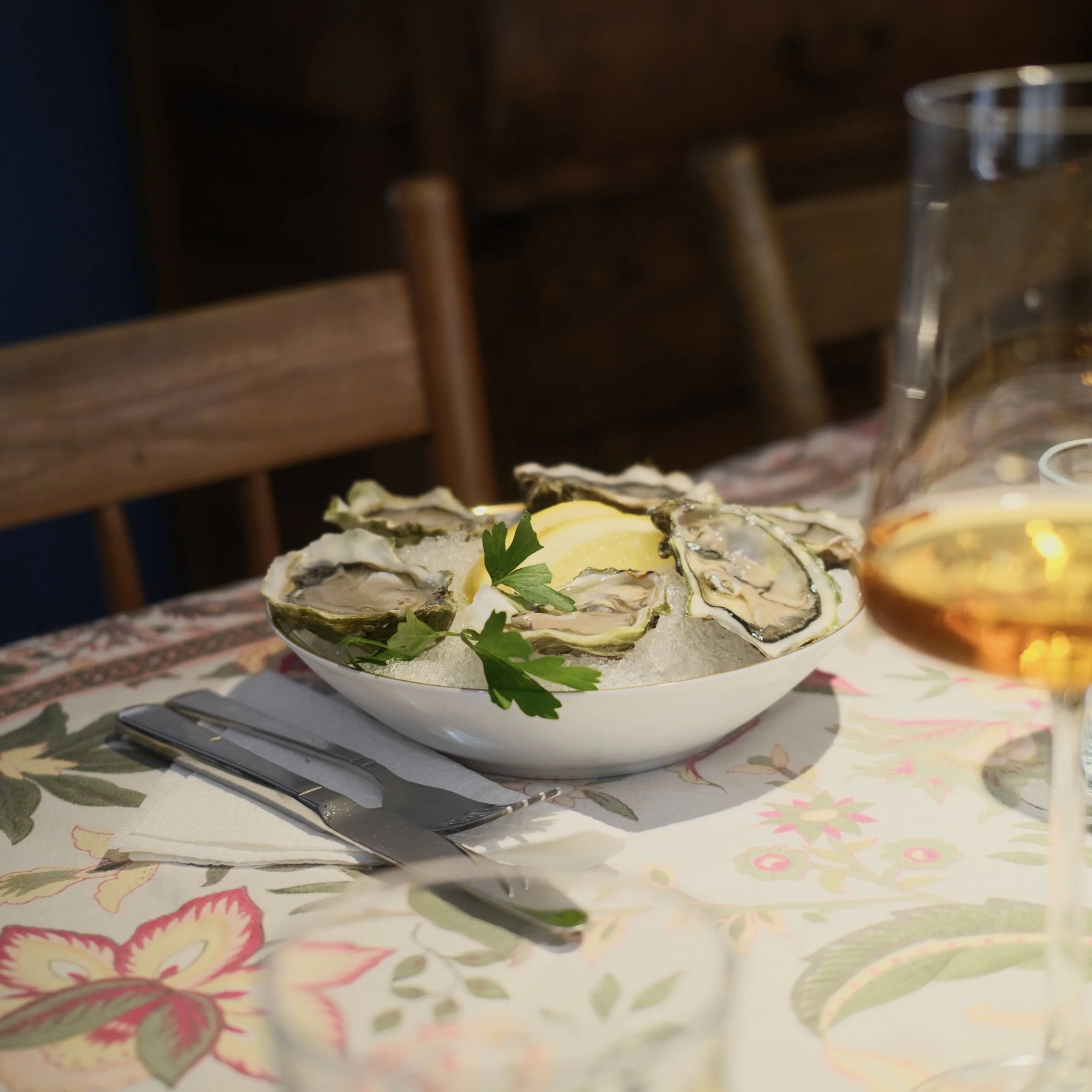
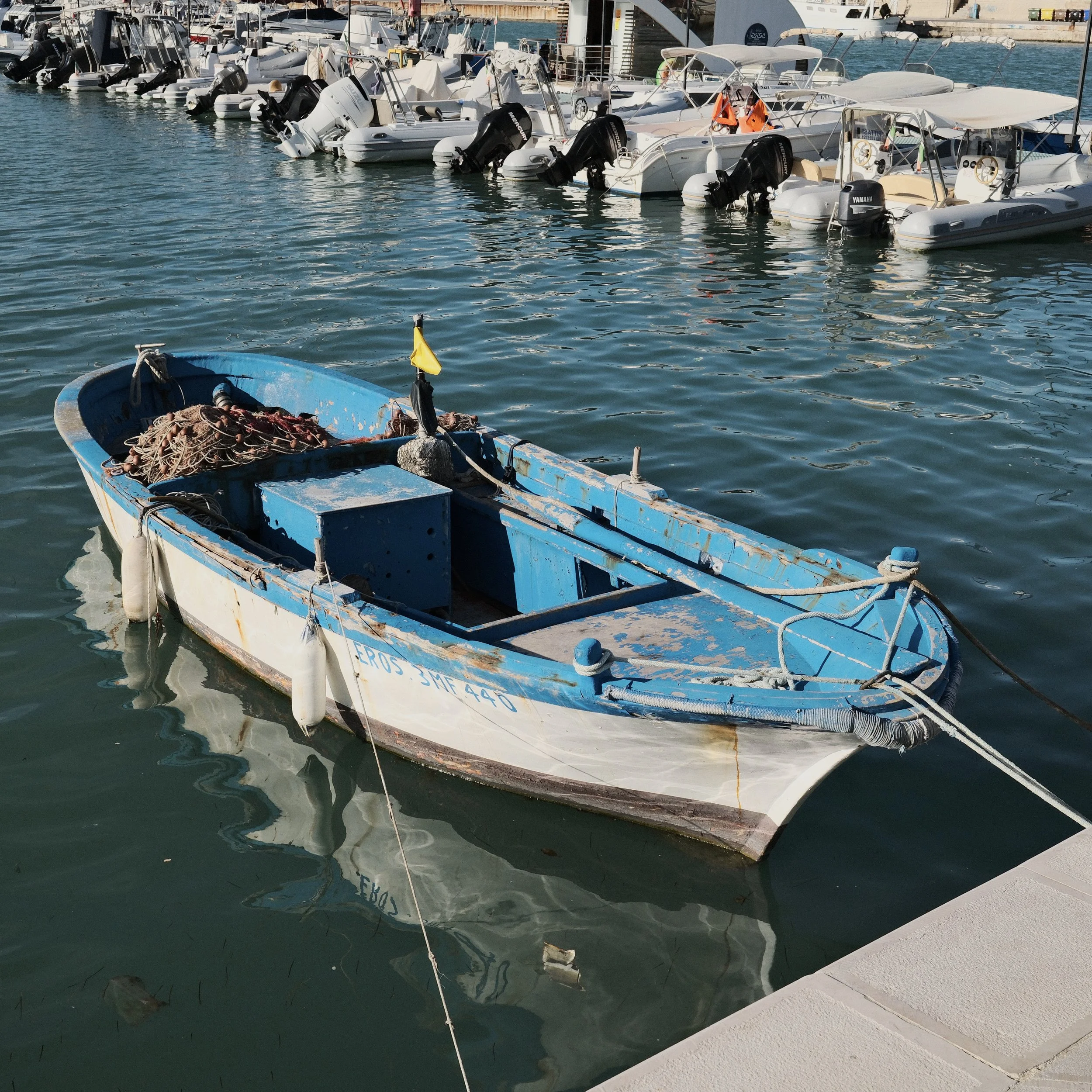
I am not a street photographer. I am not chasing drama or decisive moments in the classic sense. What I photograph most are tables, meals shared with people I love, good wine, warm light and unhurried conversation. I also shoot while traveling, in quiet documentary moments and occasionally flowers. Subjects that ask for patience rather than speed.
What I wanted from my recipes was simple to describe and difficult to achieve: images that feel considered rather than filtered, organic rather than digital and warm without being manipulated. The kind of photograph that looks like it was taken with a good lens and good light, and left mostly alone.
In other words, slow photography. Images that whisper rather than shout.
Where the inspiration came from?
My references are not where you might expect.
Some recipes were born from cameras I admire. Particularly, from the Leica world, where color science and tonal rendering have long set a standard that digital photography is still catching up to. The Leica X Typ 113, with its gentle and natural color rendition. The legendary Leica M9 and its Kodak KAF-18500 CCD sensor, whose Kodachrome-inspired palette remains one of the most distinctive in the history of digital photography. The Leica Q3, precise and three-dimensional and honest in its rendering of light.
One recipe came from somewhere else entirely — from a film that moved me deeply. Les enfants vont bien, directed by Natan Ambrosioni with cinematography by Victor Séguin, seized me; not only for its story, but for the quality of its images: soft, natural and emotionally grounded. I had never heard of Victor Séguin before seeing that film. Afterward, I went home and built a recipe.
One recipe is a variation built in homage to a recipe I love: OWH Analog by Øyvind Nordhagen, adapted with full transparency and respect for his original work.
How this series is organized?
This is a series of nine articles. This introduction is the first.
The seven that follow each present one recipe in full : the settings, the reasoning behind every parameter, the aesthetic intent and the conditions where it works best. They are written in the order that makes the most sense as a reading experience, moving from the foundational to the complex and from the technical to the emotional. The ninth and final article is a conclusion : a look back at what this series has been, and at what it means.
The recipes are named with the prefix CW, my personal signature, whose meaning I will explain in the final article.
They were built for the Fujifilm X100vi and its X-Trans V processor, but most will translate well to any recent Fujifilm body with the same film simulations available.
A note on how I shoot
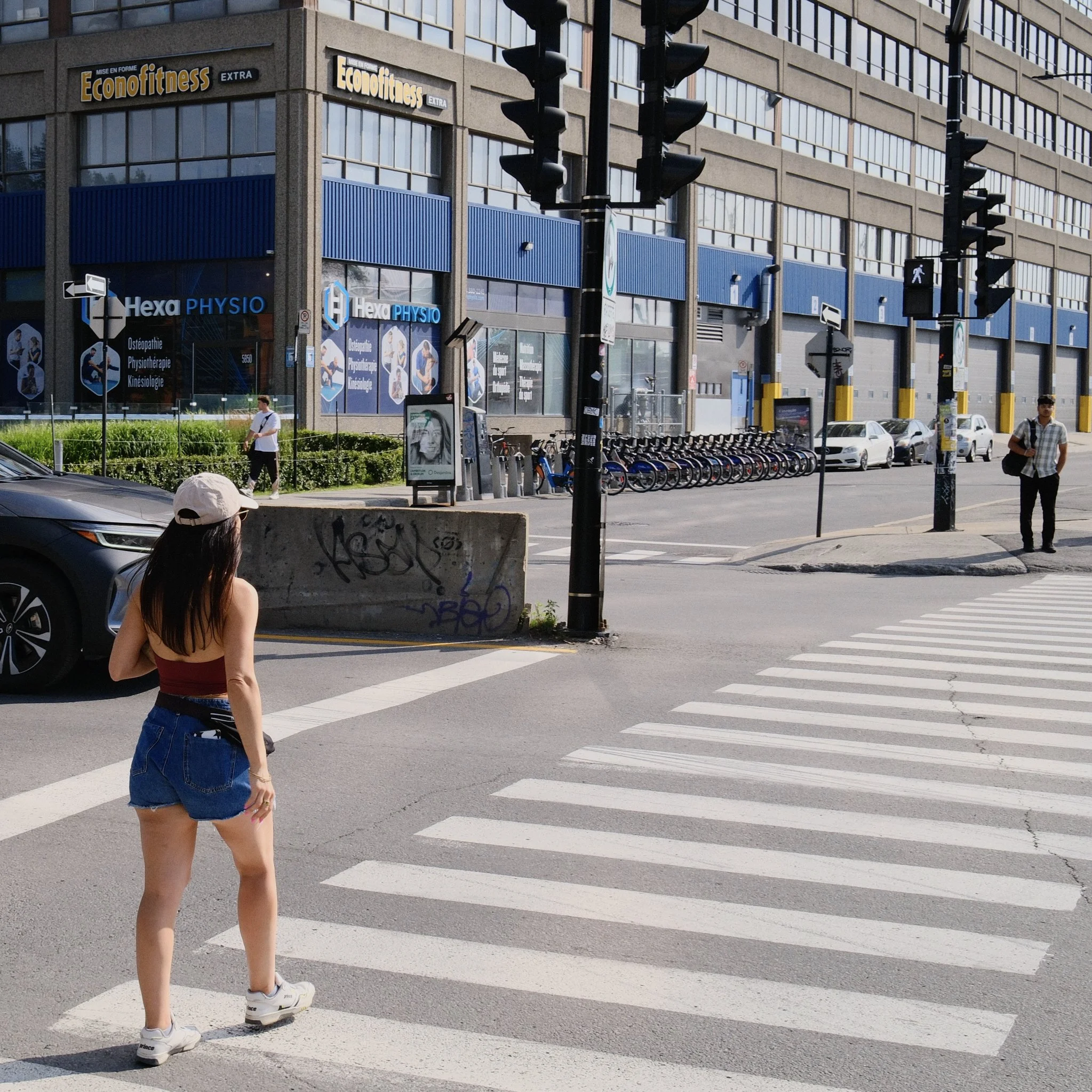
Every photo produced with these recipes is straight out of camera (SOOC). No retouching, no color grading and no adjustments after the fact. Occasional cropping for composition or to protect the privacy of subjects.
This is intentional. The whole point of a recipe is to make the camera do the work and to arrive at an image that is already complete when you press the shutter.
That is what I was trained to do in a darkroom, forty years ago : get it right in camera. The digital tools have changed. The discipline hasn't.
I hope you find something useful, or at least something that makes you want to go outside and shoot.