
CW – CCD KAF - 18500
Chasing the Leica M9 — a recipe inspired by Kodak, Kodachrome and a sensor that became a legend
Some cameras become myths in their own lifetime.
The Leica M9 is one of them. Introduced in 2009 as the world's first full-frame digital rangefinder, it produced images that photographers still talk about in the particular way people talk about things they cannot fully explain. I have never held one. I have never looked at its files on my own screen, in my own light, with my own eyes. What I know about the M9 comes entirely from the photographers who have used it. Their descriptions, their comparisons, their persistent inability to name precisely what makes its rendering different. Forums filled with attempts. Nobody quite succeeded. And yet the consistency of what they described was striking enough to become a lasting fascination.
The KAF-18500 and the Kodachrome connection
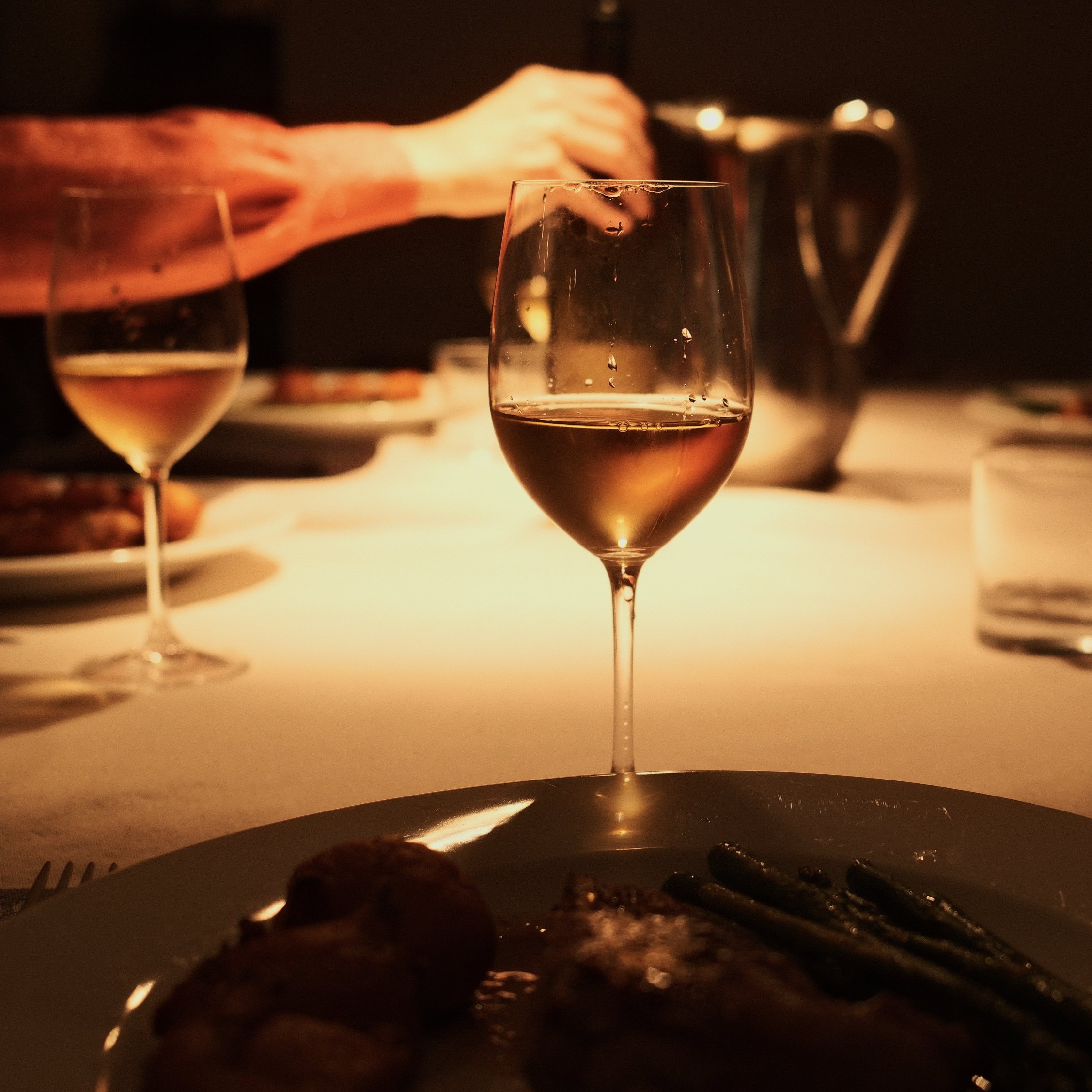
The Leica M9 was built around a Kodak KAF-18500 CCD sensor covered by a Schott S8612 optical glass, chosen for its near-perfect infrared cut while preserving maximum visible light transmission. But the more significant decision was how Kodak tuned the sensor's color science. They drew explicit inspiration from Kodachrome — the legendary slide film discontinued in 2010 after more than seven decades — replicating its characteristic palette: rich, warm reds and oranges, slightly yellowed greens, velvety highlight rolloff, and an organic texture at higher ISOs that felt less like noise and more like grain.
The result was a digital sensor that remembered what film felt like.
I was fascinated. I was also cautious.

The problem with the M9
Beyond the considerable cost of acquiring an M9 on the used market today, the original KAF-18500 sensor had a well-documented vulnerability: the cover glass was susceptible to corrosion over time, degrading image quality in ways that were difficult to predict and expensive to repair.
I wanted the M9's rendering. I did not want its uncertainties.
Acquiring an M9 was never really an option — its interchangeable lens system is too far from my fixed-lens compact philosophy. Instead, I set out to understand its sensor well enough to approximate its character in a recipe and to reverse-engineer, as faithfully as possible, what the KAF-18500 was doing at the level of color science and tonal response, and translate that into parameters my X100vi could apply.
The research took time. The Kodachrome connection was the key that unlocked everything.

Why Eterna Cinema, not Classic Chrome
The obvious choice for a warm, slightly muted recipe would be Classic Chrome. I chose not to use it.
Classic Chrome produces a look that is immediately recognizable and it is everywhere. More importantly, its shadow behavior is too contained for what the M9's sensor actually does. The KAF-18500 produced rich, luminous shadows, not crushed, not muted, but authentically deep and warm.
Eterna Cinema was the unexpected answer. Designed to simulate the response of cinema negative film, it has a natural highlight rolloff that is the closest thing in Fujifilm's simulation library to the way a CCD sensor clips gracefully.

The confirmation
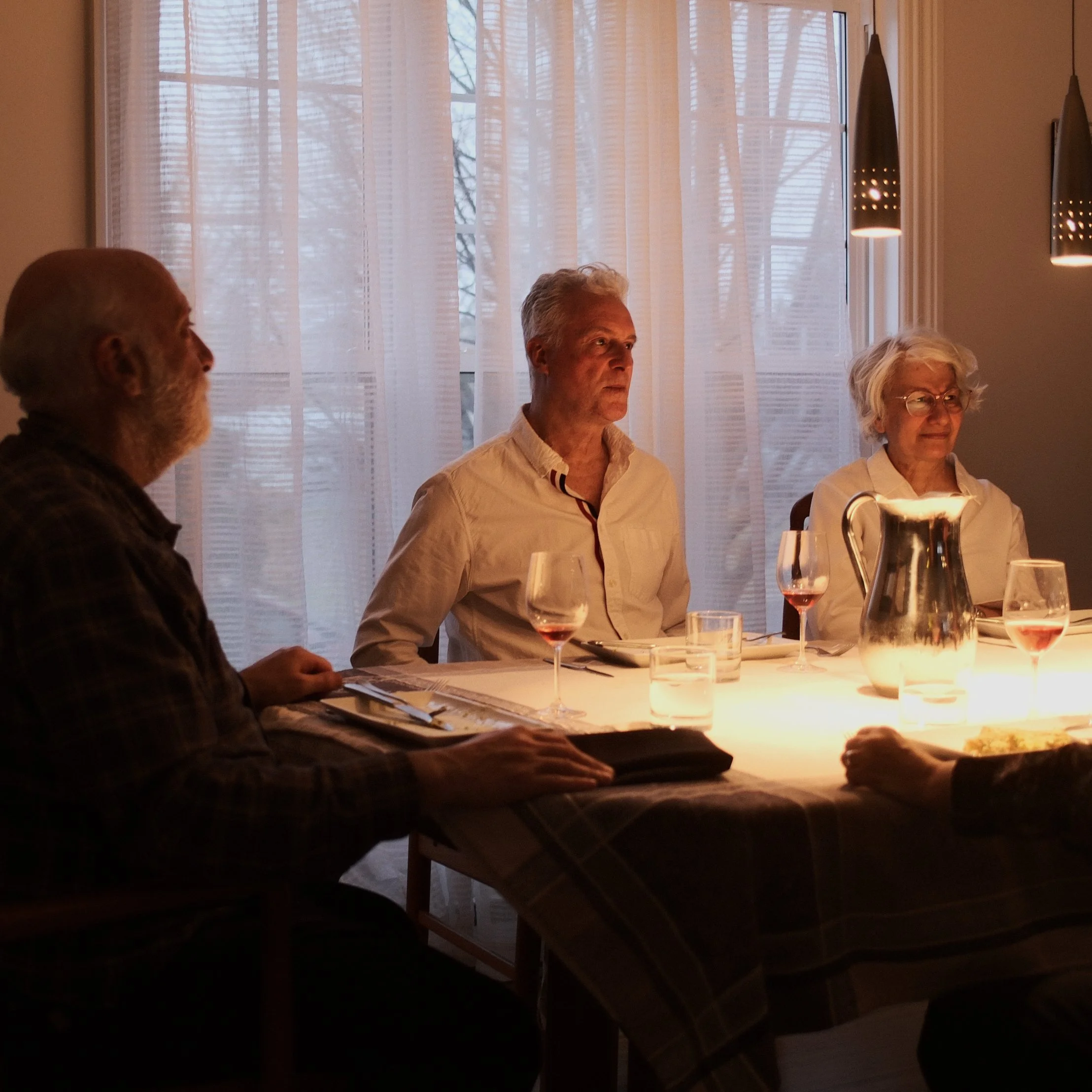
The image that confirmed this recipe was working was taken at the same lunch that appears in the previous article : my wife and a friend, a table near windows covered with sheer curtains and that soft and directionless afternoon light. The same scene, the same faces and the same moment, but reprocessed this time with CW – CCD KAF-18500 in X-Raw Studio.
The result was striking, and entirely different. Where CW – VS Mono Soft had distilled the warmth into light and texture, this recipe returned it as color : warm, deep and amber. The sheer curtains had taken on a golden cast. The glasses on the table caught a brightness that wasn't in the original file. The room felt more inhabited, more present, almost tangible.
Does this faithfully reproduce the KAF-18500's rendering? I cannot say. I have never held an M9, and I have no original files to compare against. But the emotion was there, strong and immediate. And in that context, it is confirmation enough, circumstantial perhaps, but honest.
The settings and their intent
Color +4 is the most aggressive color adjustment in the entire CW series. Eterna is inherently desaturated to reach the rich, warm saturation of the Kodachrome-inspired KAF-18500, a strong push is necessary.
Shadow +3 reproduces one of the M9's most distinctive qualities : its luminous, rich shadows. This is what people miss most when they move from CCD to CMOS.
Highlight 0 is left at neutral deliberately. Eterna already rolls off highlights naturally.
Color Chrome Effect: Strong handles the microcontrast in saturated areas, bringing the recipe closest to the exceptional crispness the KAF-18500 produced in colored subjects.
Color Chrome FX Blue: Off preserves the warm, neutral character of the Schott S8612 glass's blue transmission.
Full settings
- Film Simulation: Eterna Cinema
- White Balance: Daylight, R+3 / B–2
- Dynamic Range: DR200
- Highlight: 0
- Shadow: +3
- Color: +4
- Sharpness: +2
- Clarity: +2
- Color Chrome Effect: Strong
- Color Chrome FX Blue: Off
- Grain Effect: Weak · Small
- High ISO NR: –2
- ISO: Auto, 250 - 1600
- Exposure Compensation: –1/3
When to use it
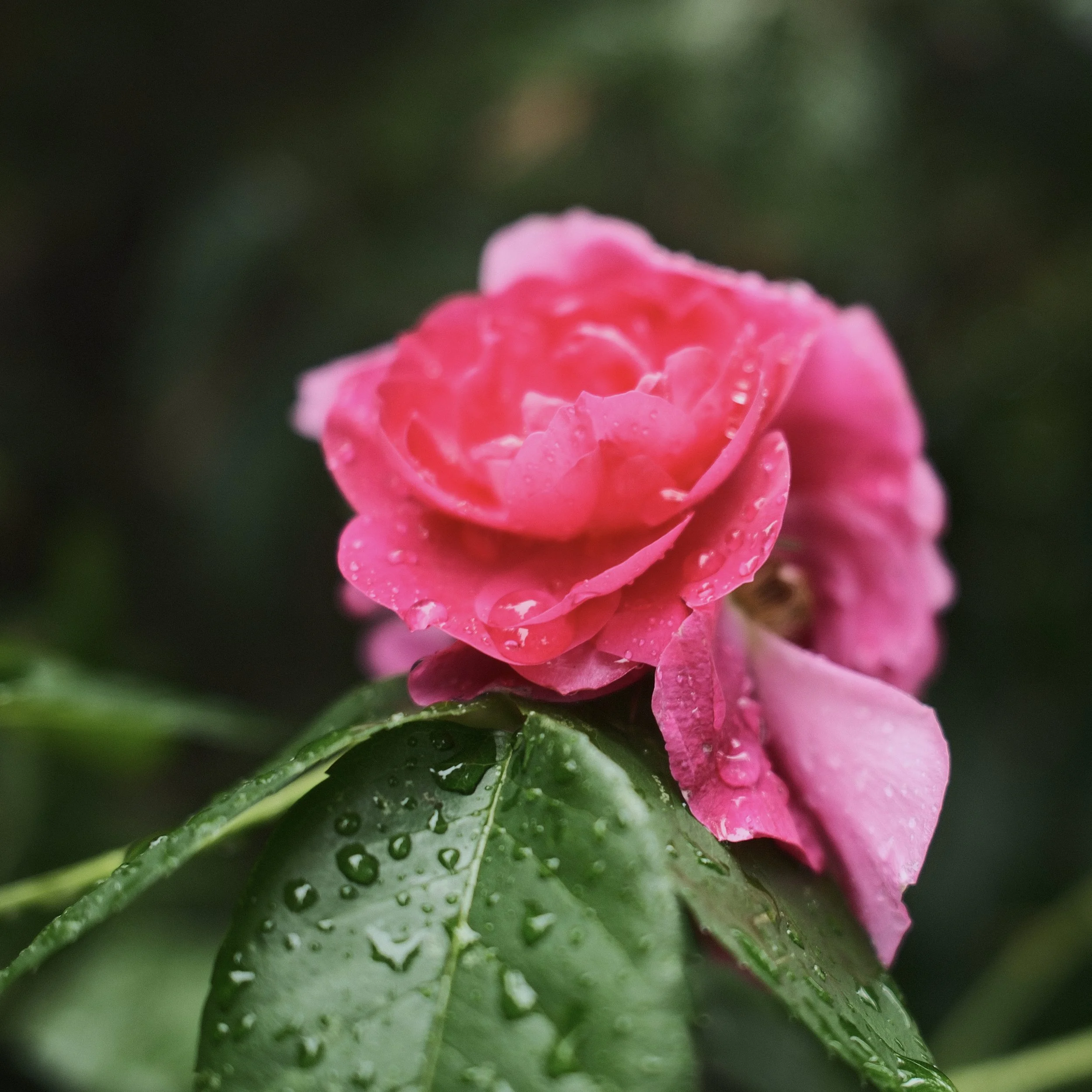
This recipe shines in warm natural light, golden hour, overcast with warm artificial fill, or shade on a sunny day. In harsh midday sun, pull Color back to +3. For portraits, consider dropping Shadow to +2.
It is the most demanding recipe in this series to use well. But in the right light, it produces something that no other recipe in the CW series can : images with a warmth and depth that feel less like photographs and more like the memory of an evening you never wanted to end.