
CW – VS Mono Soft
The cinematic black and white companion
There is a logic to working in pairs.
When I built CW – Simple Standard, I knew almost immediately that it needed a black and white counterpart. CW – Mono Simple became that companion: the same discipline, the same restraint, translated into monochrome.
When CW – Victor Séguin came together, the same instinct returned : the cinematic softness, the gentle color and the warmth in the skin tones. All of it felt like it had a natural shadow version waiting to be found. A black and white recipe that could carry the same emotional temperature without the color. Sober. Quiet. Cinematic in a different way.
CW – VS Mono Soft is that recipe.
The table
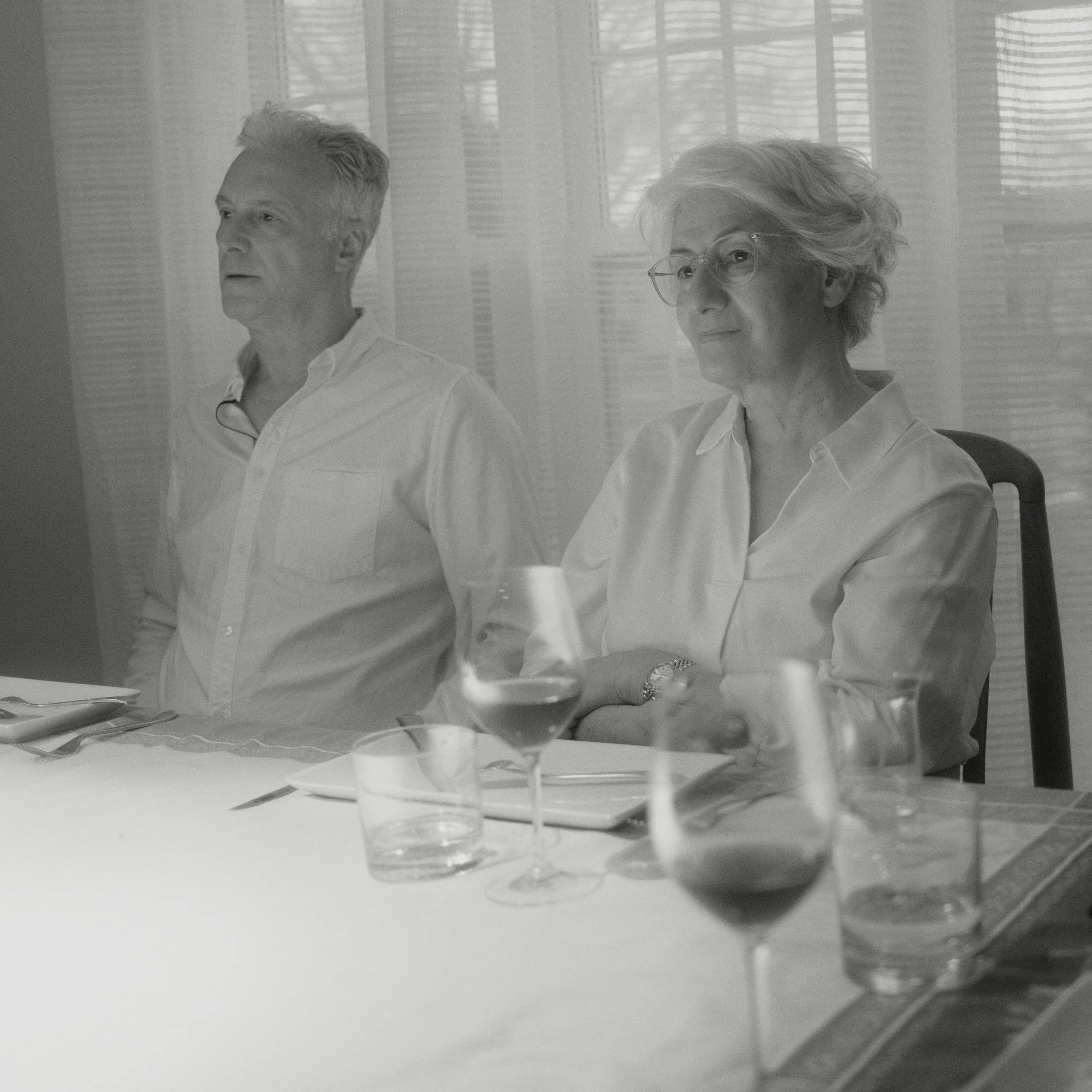
The image that confirmed this recipe was working was taken at a lunch with my wife and a friend. We were sitting at a table near windows covered with sheer curtains. The kind that filter afternoon light into something soft and directionless, filling the room evenly without casting shadows.
My wife was listening to the conversation, her attention turned toward someone outside the frame. My friend sat beside her, equally present, equally unhurried. On the table in front of them: wine glasses, water glasses, the quiet architecture of a meal among people who know each other well.
When I looked at the image afterward, I noticed something that surprised me. The warmth was still there. Not as color — there was no color — but as a quality of light, a luminosity in the whites of their shirts and the sheer curtains behind them, a gentleness in the way the shadows fell across their faces. The monochrome had not stripped the image of warmth. It had distilled it.
That is what CW – VS Mono Soft does at its best.
Why ACROS, not Monochrome
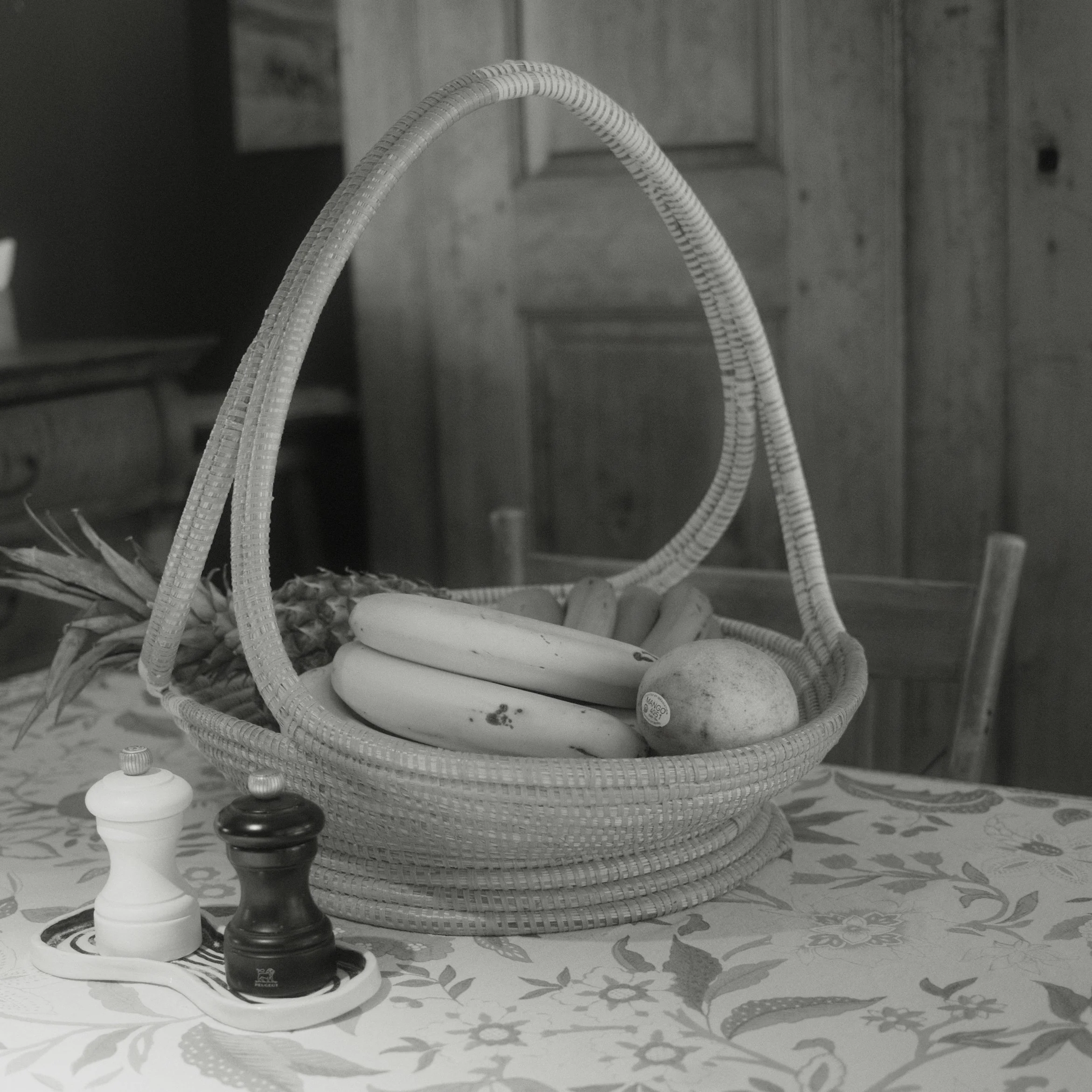
CW – Mono Simple is built on Monochrome+R : clean, modern, precise. For this recipe, I needed something different. ACROS is Fujifilm's most sophisticated monochrome simulation, with a tonal response that is softer in the highlights, richer in the midtones, and more organic overall. The yellow filter variant — ACROS+Ye — enhances tonal separation gently, keeping skin tones natural without dramatizing them.
The settings and their intent
DR200 rather than DR400 allows the sensor to respond more naturally to light, producing a tonal range that feels less managed and more alive.
Highlight –2 and Shadow –1 follow the same logic as CW – Victor Séguin , soft highlight rolloff and luminous shadows that retain detail.
Clarity –3 reduces local contrast significantly, contributing directly to the soft, film-like quality of this recipe.
Grain Effect: Weak / Small adds a fine, organic texture, present enough to feel like film and subtle enough to never distract.
WC +1 / MG +1 introduces a barely perceptible warmth into the gray tones, the adjustment responsible for the warmth that survives the absence of color.
Full settings
- Film Simulation: ACROS + Ye (Yellow Filter)
- Dynamic Range: DR200
- Highlight: –2
- Shadow: –1
- Clarity: –3
- Sharpness: –1
- Noise Reduction: –4
- Grain Effect: Weak Small
- Monochromatic Color: WC +1 / MG +1
- White Balance: Auto, R+2 / B–2
- ISO: Auto, 250 -3200
- Exposure Compensation: –2/3 to 0
When to use it
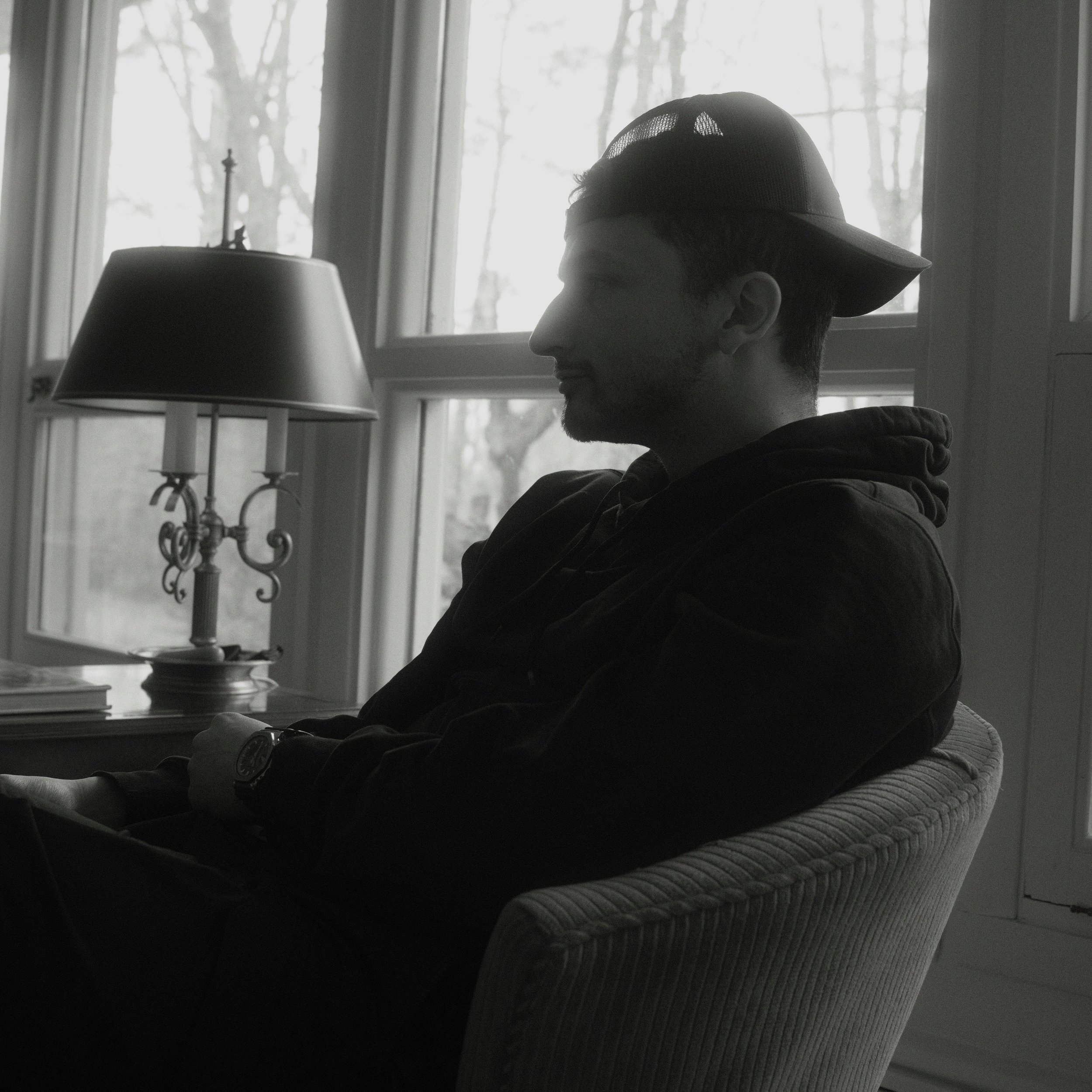
CW – VS Mono Soft is a recipe for intimate moments in soft light. It performs best at a table, in a room filled with diffused daylight, during the quiet parts of an afternoon when the conversation has settled into something comfortable and unhurried.
It is a shoot and keep recipe. The files it produces require minimal to no editing.
Which is, I think, the point.