
CW – Victor Séguin
A recipe inspired by the cinematography of Les enfants vont bien
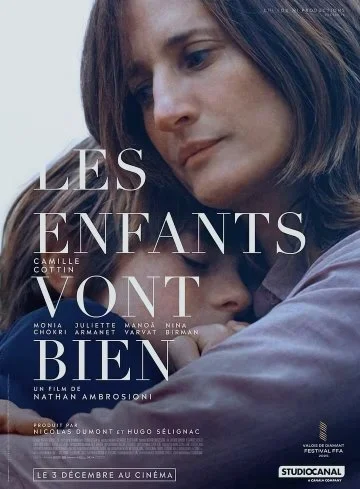
I went to see the film because of the actress.
Camille Cottin is someone you notice. In most of her roles — the sharp comedies, the fast-talking characters, the particular brand of nervous French energy she has made her own — she commands attention through movement and voice. She is electric in the way that certain performers are electric: you watch her because she makes you watch her.
In Les enfants vont bien, directed by Natan Ambrosioni, she is something else entirely. Calm. Still. Resilient in a way that has nothing to do with force and everything to do with quiet endurance. Seeing her in this register made me realize, almost with surprise, that Camille Cottin is extraordinarily beautiful, the kind of beauty that only becomes visible when everything else stops moving.
Then I started noticing the light

When the photography becomes invisible
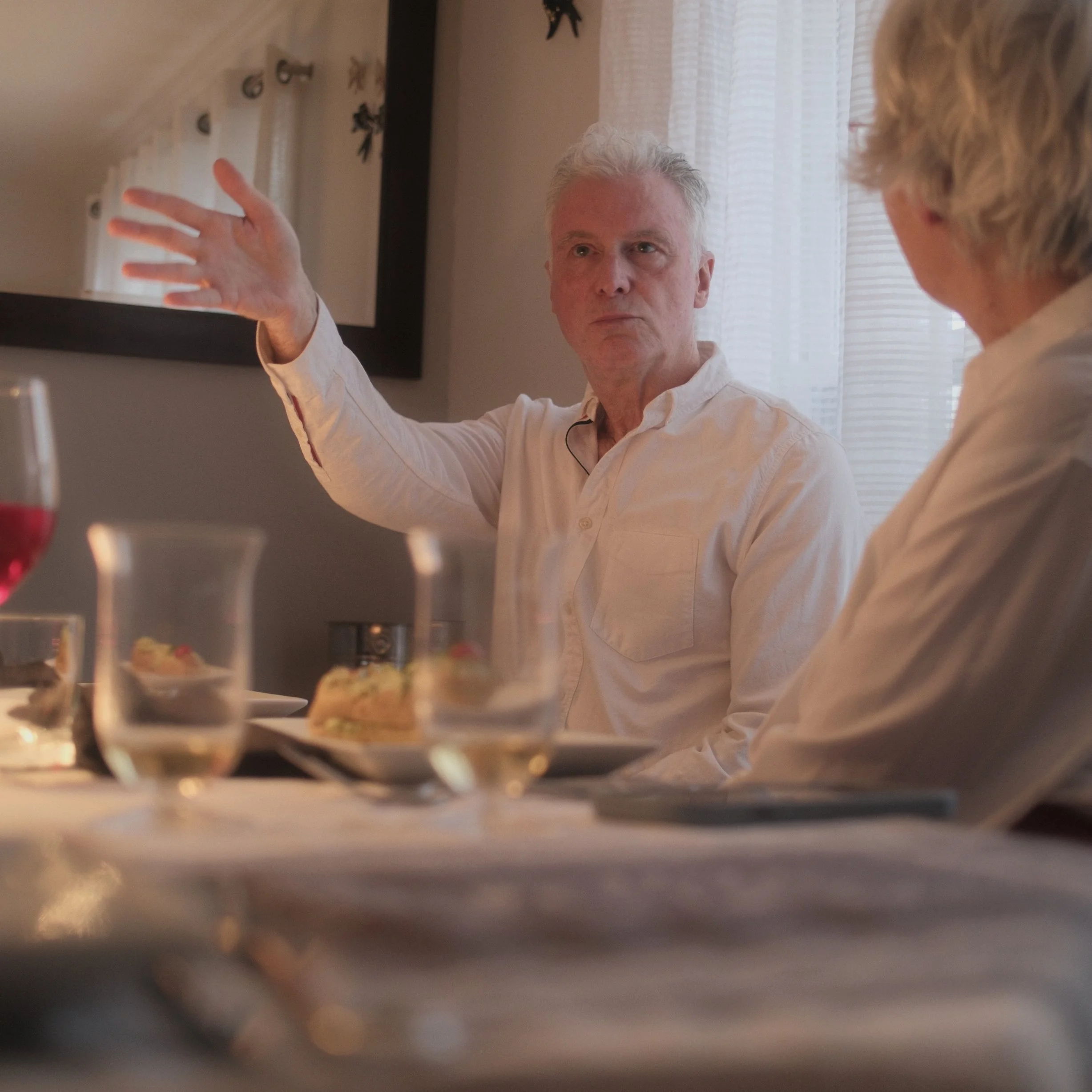
The cinematography of Victor Séguin did something I have rarely experienced in a film. At first I was watching Camille Cottin. Then I was watching the way the light fell on her face. Then, gradually, I forgot about both, I was simply living inside the images, the way you live inside a piece of music without thinking about the notes.
That is the highest thing a cinematographer can achieve: to make their work disappear. The image stops being something you look at and becomes something you look through. Victor Séguin does this throughout the film with a consistency that is almost unreasonable.
The look he creates is soft without being vague. Natural without being flat. There is warmth in the skin tones that feels less like a choice and more like an inevitability, as if the light simply decided to be kind. Contrast is gentle. Highlights give up their detail gradually. Shadows breathe.
I went home and started building a recipe.
The translation problem
Translating a cinematographic aesthetic into a still photography recipe is an exercise in creative approximation. A film is shot on large-format sensors, with dedicated lighting setups, in carefully controlled environments. A recipe for an X100vi is a set of JPEG parameters applied to whatever light happens to exist.
The goal is not reproduction. It is resonance — finding settings that produce images with a similar emotional temperature — a comparable quality of restraint.
PRO Neg Std is the foundation. Of all Fujifilm's color simulations, it is the most oriented toward soft, natural skin tone rendering, lower contrast than Provia, more organic than Velvia, without the muted shadows of Classic Chrome.
Highlight –2 pulls the highlights back significantly, allowing them to roll off slowly rather than clipping or compressing abruptly. This is the single most important adjustment in the recipe.
Shadow –1 lifts the shadows slightly, keeping them luminous and open.
Color –2 desaturates gently, moving away from the vivid commercial color of default Fujifilm rendering toward something more muted and documentary.
Sharpness –2 and Clarity –3 soften the rendering significantly, bringing the image closer to the organic quality this recipe is after.
Grain Effect: Weak / Small introduces the first grain in the CW color series, subtle, present enough to add texture and life.
White Balance: Daylight with R+2 / B–3 establishes the warm-neutral base that defines the recipe's color temperature.
Full settings
- Film Simulation: PRO Neg Std
- Dynamic Range: DR400
- Highlight: –2
- Shadow: –1
- Color: –2
- Sharpness: –2
- Clarity: –3
- Grain Effect: Weak / Small
- Color Chrome Effect: Weak
- Color Chrome FX Blue: Off
- White Balance: Daylight, R+2 / B–3
- Noise Reduction: –4
- ISO: Auto, 500–1600
- Exposure Compensation: +1/3 to +2/3
When to use it
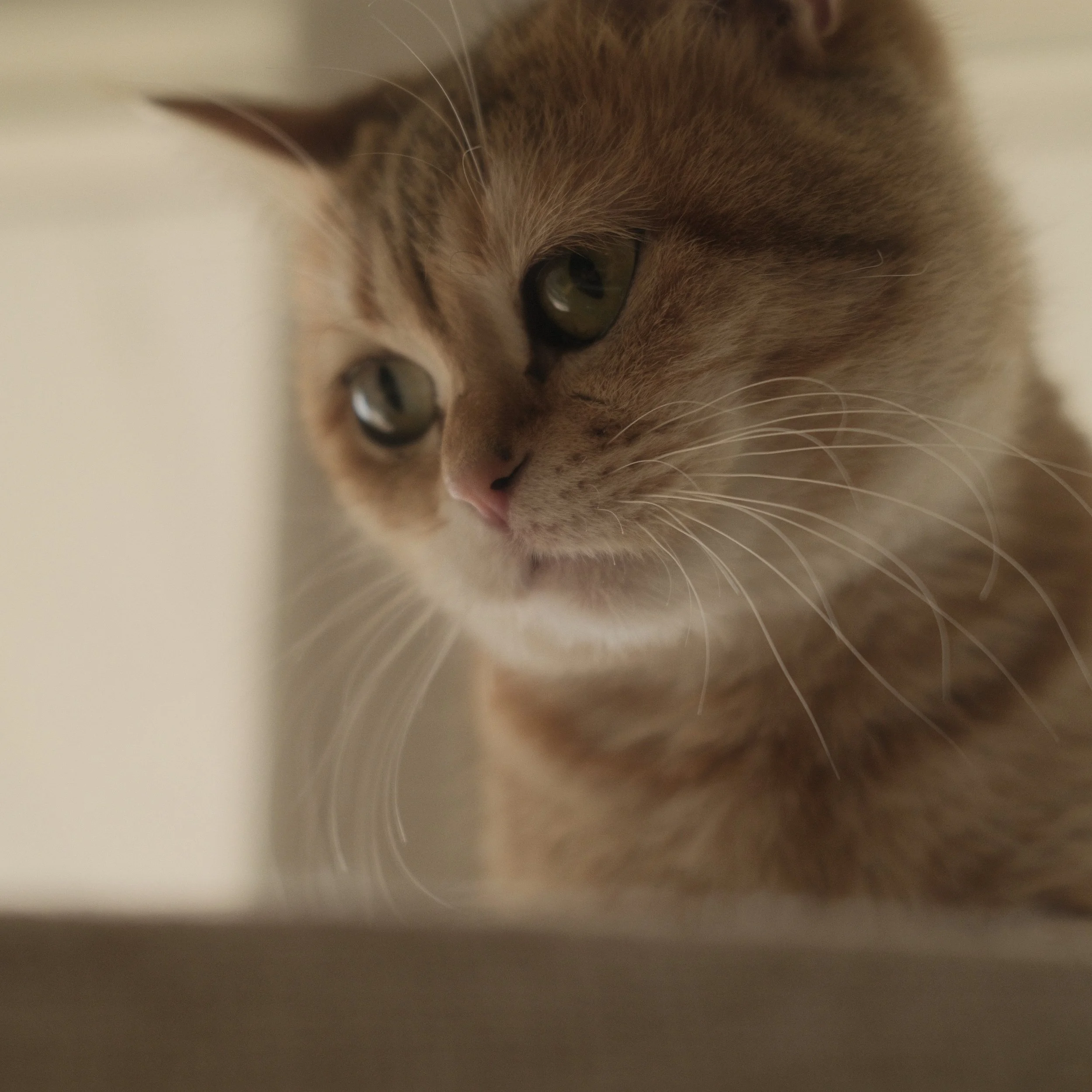
CW – Victor Séguin is a recipe for soft light and human subjects. It performs best in window light, on overcast days, and during golden hour. It works particularly well for portraits, intimate gatherings, and quiet documentary photography.
Tweak Clarity and Exposure to taste, but resist the temptation to push anything further. The whole point is subtlety. The whole point is to make the camera disappear.
Just like Victor Séguin did, until you forget the actress, forget the camera, and find yourself simply inside the image.