
X-Trans V in Detail - Part 1: The 20 Film Simulations
This four-part series offers a technical exploration of the Fujifilm X-Trans V processor, the common core shared by an entire generation of cameras: the X100vi, X-T5, X-H2, X-H2S, X-T50, X-M5 and X-E5. The material unfolds across four parts, each devoted to a coherent set of settings, with notes on the variations observed from one camera to another where they exist.
This first post profiles the twenty film simulations. The second will cover Color Chrome Effect, Color Chrome FX Blue and Grain Effect. The third will cover white balance — including its fine adjustment, WB Shift —, highlights and shadows through the tone curve, as well as Dynamic Range and D Range Priority. The fourth and final post will address color, sharpness, clarity and High ISO NR.
This series covers neither settings specific to video recording nor those tied to continuous shooting: two practices outside the scope of this blog.
The Twenty Film Simulations
PROVIA
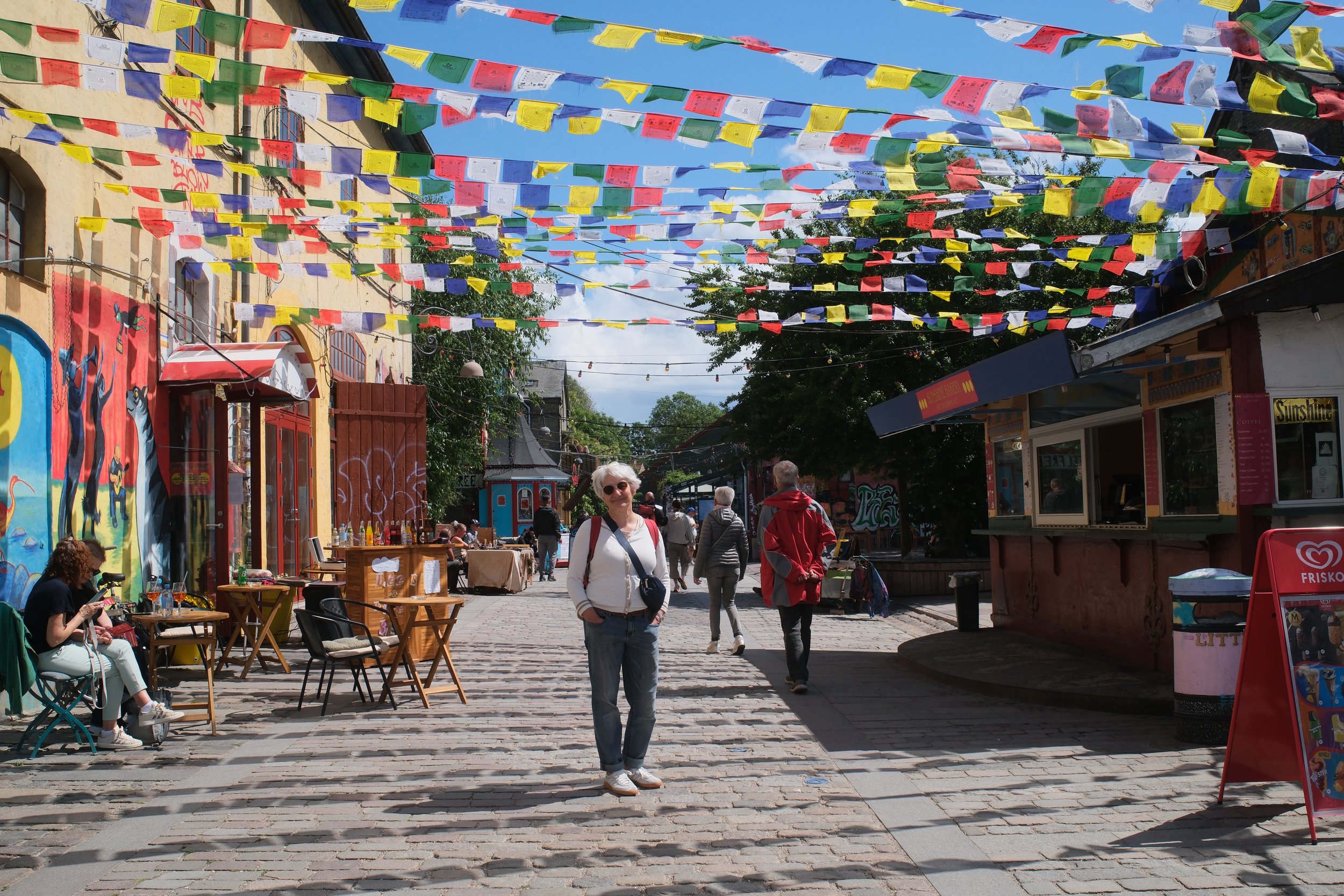
Based on the Fujichrome Provia slide film, launched in 1994 and later reissued as Provia 100F in 2001. Fujifilm notes that the digital simulation doesn't aim to faithfully reproduce the film emulsion, but rather the "memory colors": a natural, flattering rendering designed for a digital audience. It's the default simulation on every X and GFX camera, with clean skies, generous greens, flattering skin tones and moderate contrast or saturation. It serves as the neutral reference point from which the other nineteen simulations depart. Use: all-purpose, default profile. No known variation between X-Trans V cameras.
VELVIA
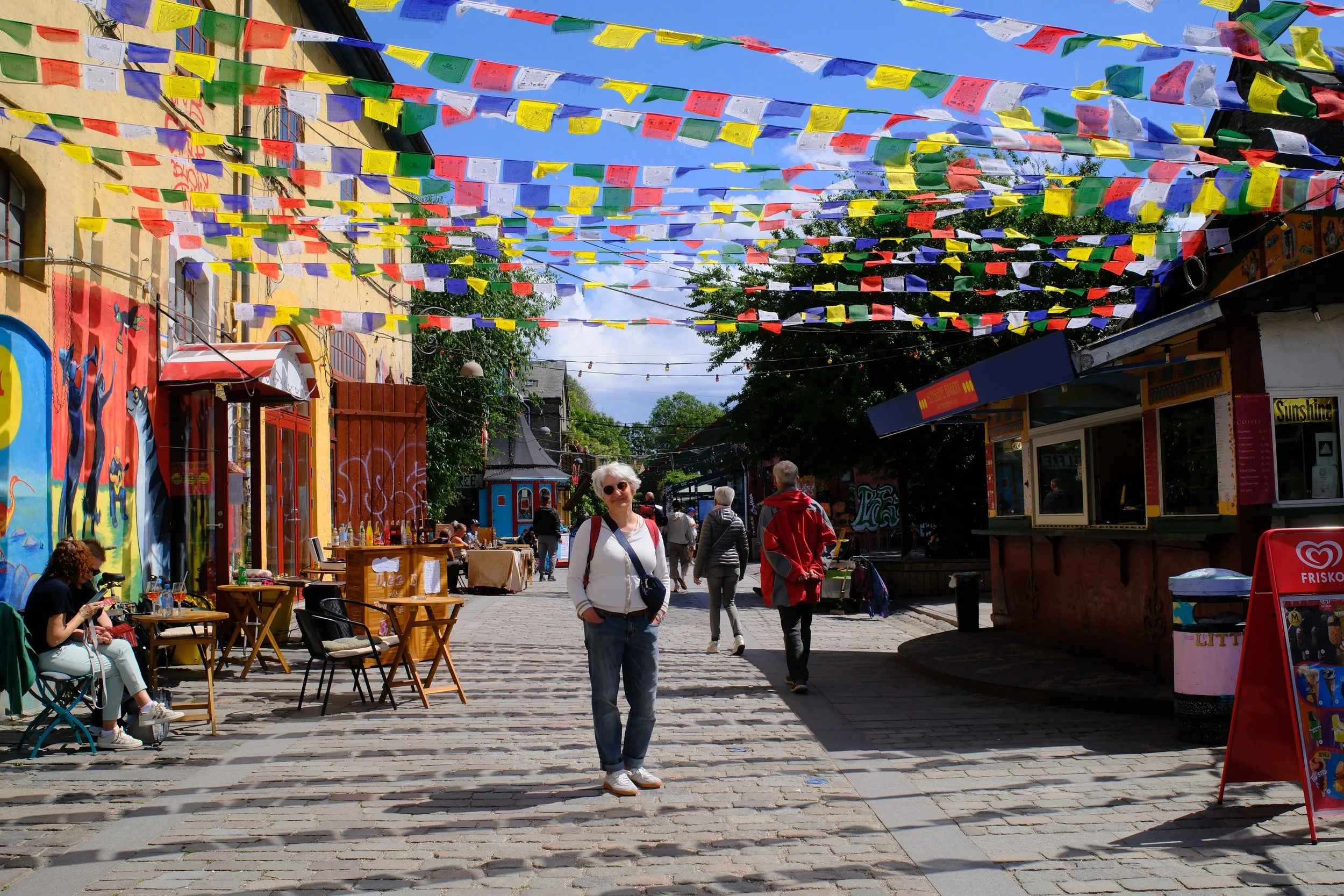
Based on Velvia 50, a cult landscape film renowned for its extreme saturation. It's the most saturated simulation in the catalog: electric greens, deep blues, vivid reds, a slight magenta shift in blue skies, high contrast and dense blacks, without any single hue taking over disproportionately. Use: landscape and nature above all, but also nighttime urban scenes or sport. No major variation known between X-Trans V cameras.
ASTIA
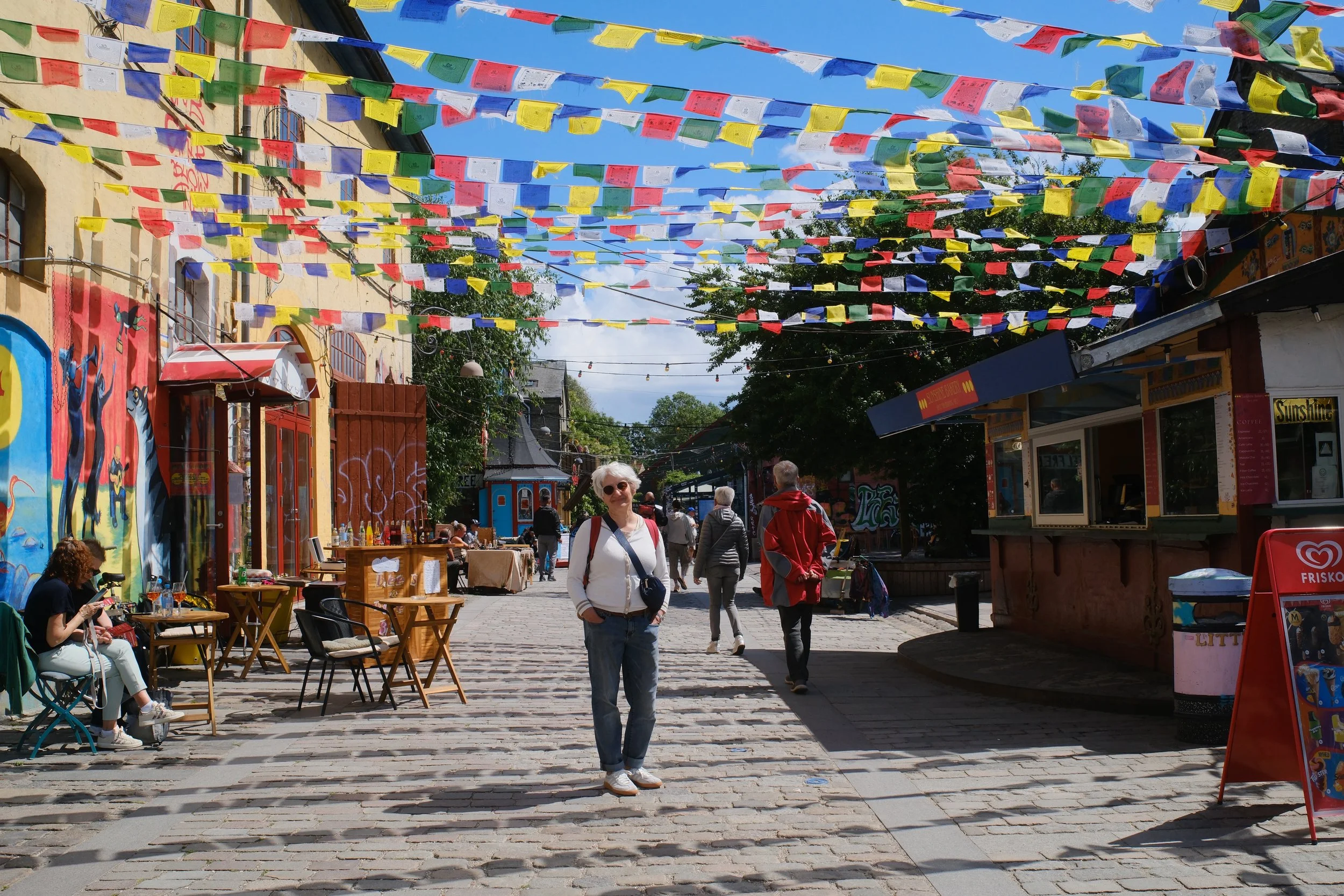
Based on Fujichrome Astia, originally designed for fashion and portrait work. Its saturation exceeds that of Provia, but skin tones remain flat and desaturated, with no pink cast, tempered highlights and a slightly lower overall contrast, concentrated on softening skin tones, while skies and greens retain plenty of vividness. Use: portrait and fashion work, when flattering skin tones are wanted while keeping punch elsewhere in the image. No variation known between cameras.
CLASSIC CHROME
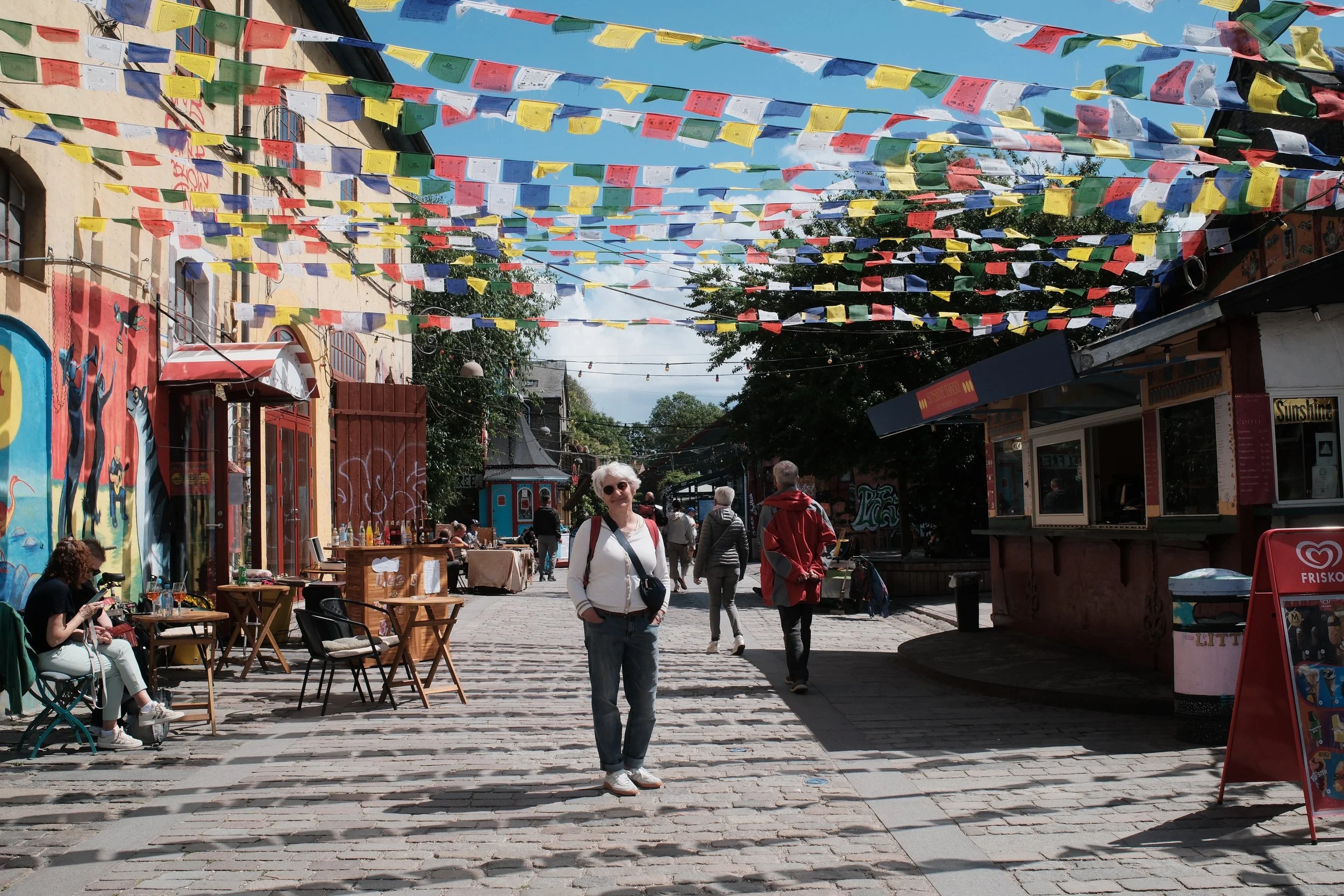
Unlike the previous simulations, Classic Chrome doesn't reproduce any existing Fujifilm film. Introduced in 2014 after analyzing documentary-style photographs, it answered a demand for a more matte rendering. Independent — unofficial — sources sometimes link it to the Kodachrome or Ektachrome aesthetic, a lineage Fujifilm doesn't claim. Its reduced saturation favors full tones over washed-out ones: earthy reds, understated cool blues and calm greens, with no loss of detail despite the desaturation. Use: street, documentary, travel, fashion, interior or product photography. Present since the X100S and X-T1 (X-Trans II), it shows no variation between X-Trans V cameras.
PRO NEG. STD
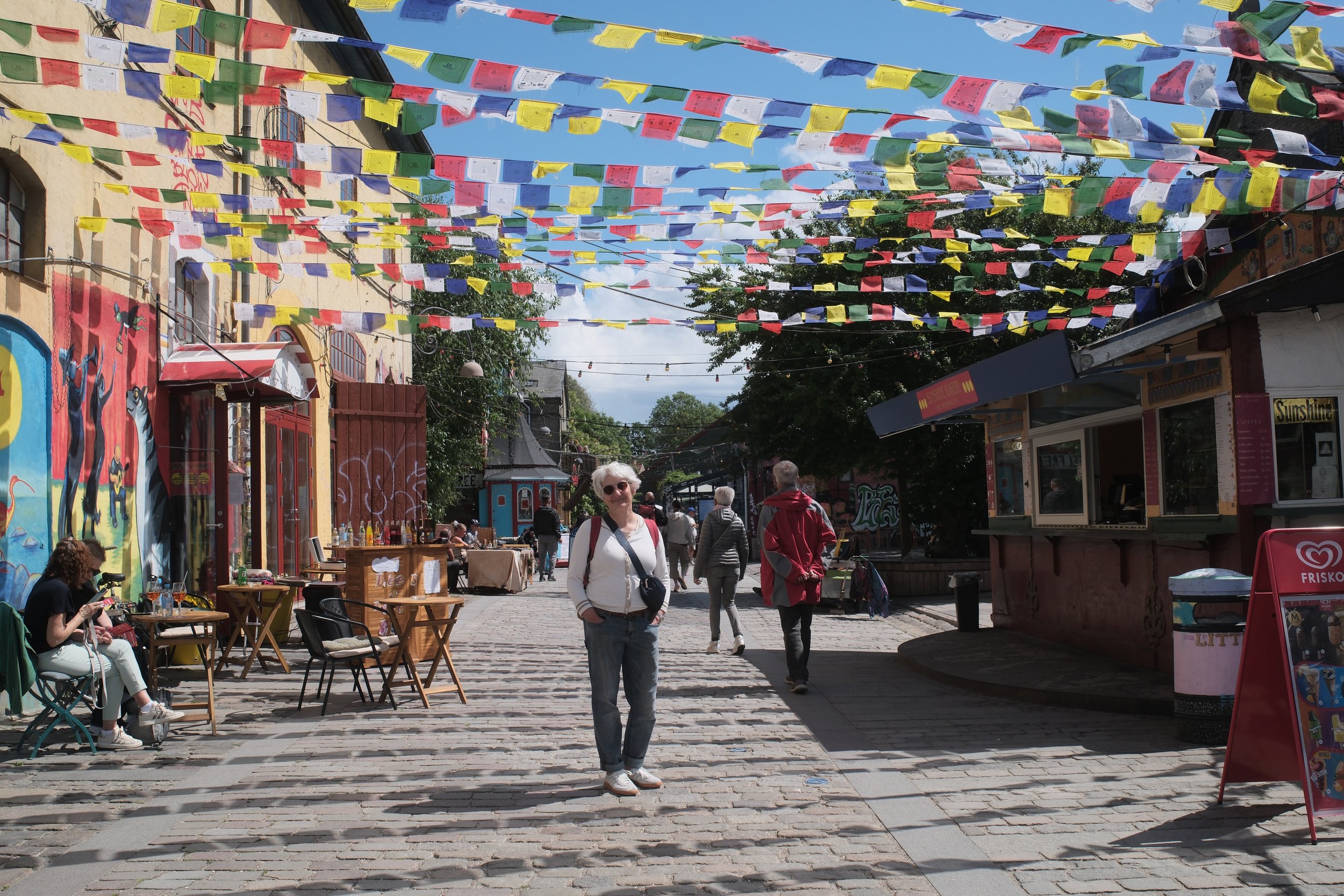
This simulation is based on the Fujicolor Pro 160NS professional negative, designed for studio portraiture with particular attention paid to skin tones. Its tonality is very soft, its contrast minimal and its saturation limited, with a neutral balance. Use: controlled studio portraiture, static subjects. No variation known between cameras.
PRO NEG. HI
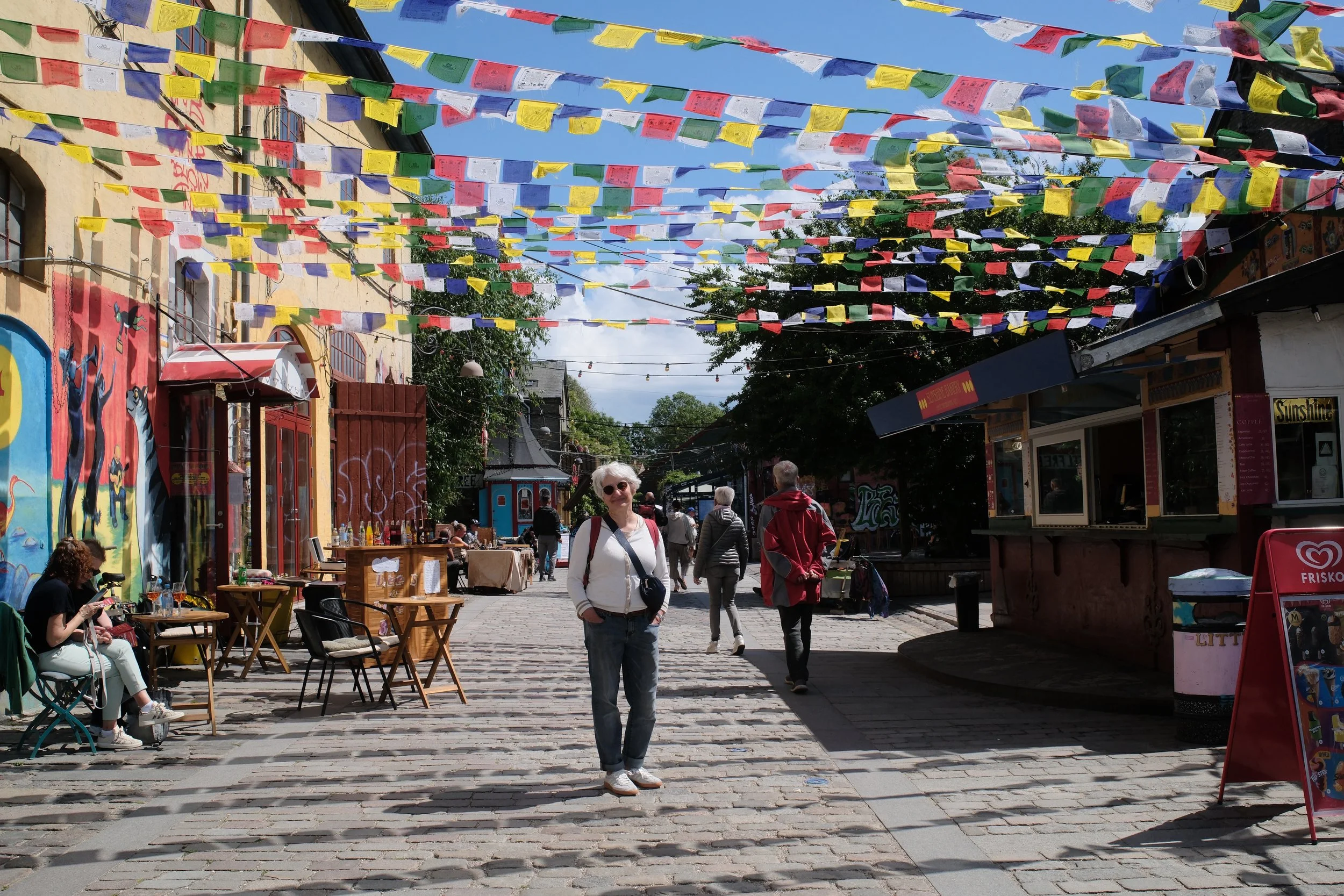
Sharing the same heritage as PRO Neg. Std, this simulation is its outdoor and action-oriented counterpart. Its tonality is harder than the Std's while remaining soft and flattering: it slightly desaturates skin tones, but retains more depth and contrast. Use: portraiture in uncontrolled conditions, fashion, moving subjects or changing light. No variation known between cameras.
CLASSIC NEG.
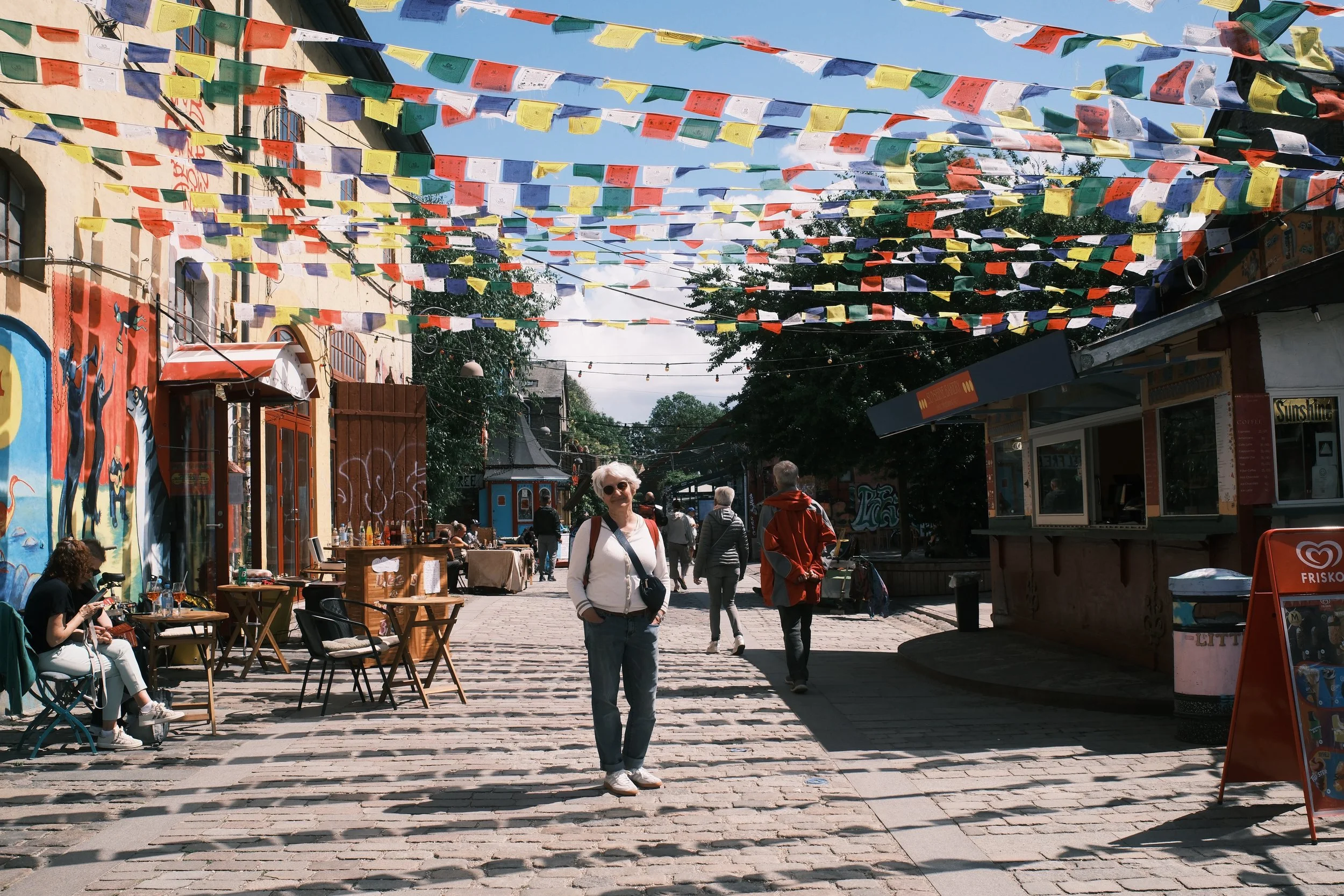
Inspired by the consumer-grade Fujicolor Superia negatives (the exact dating varies by source, somewhere between the 1980s and the late 1990s, with Fujifilm remaining deliberately vague on the point), Classic Neg. reproduces a very real bias found in these cheap films: stored and developed without the rigorous control reserved for professional negatives, they drifted predictably over time, with shadows shifting toward cyan-green and highlights toward magenta, all with more pronounced contrast than a well-preserved negative. Rather than correcting this flaw, the simulation faithfully reproduces it: cyan-green shadows, magenta highlights, pronounced contrast and a texture well suited to grain. Use: snapshots, street, vintage family-album aesthetic, including in full-auto mode. Introduced with the X-Pro3 (X-Trans IV), no rendering difference is documented on X-Trans V.
NOSTALGIC NEG.
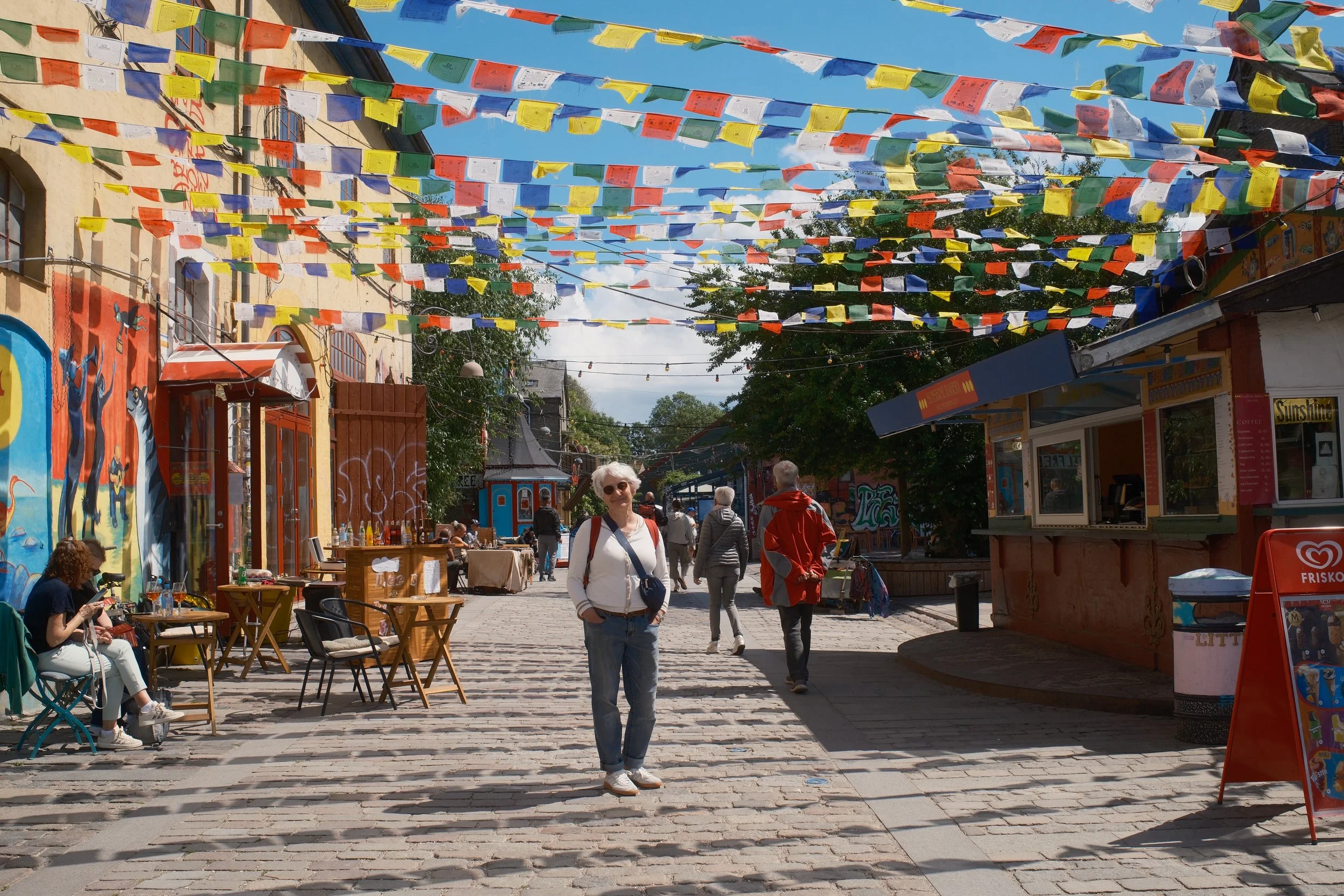
Inspired by the New American Color movement of the 1960s and 1970s, this simulation gives shadows — which naturally lean blue or green — a stable, amber warmth that's hard to achieve through simple white balance alone. Its contrast is soft, its tones warm, and its shadow detail retention generous. Use: street photography at a focal length close to natural vision, scenes with strong contrast between shadow and light, or low-light portraiture where rich skin tones are wanted. It's one of two simulations whose availability genuinely varies by camera within the X-Trans V generation itself: it first appeared on GFX sensors, then reached the X-H2S in 2022, followed by the X-H2, X-T5, X100vi, X-S20 and later models. It therefore exists only on X-Trans V and GFX, absent from earlier generations.
ETERNA
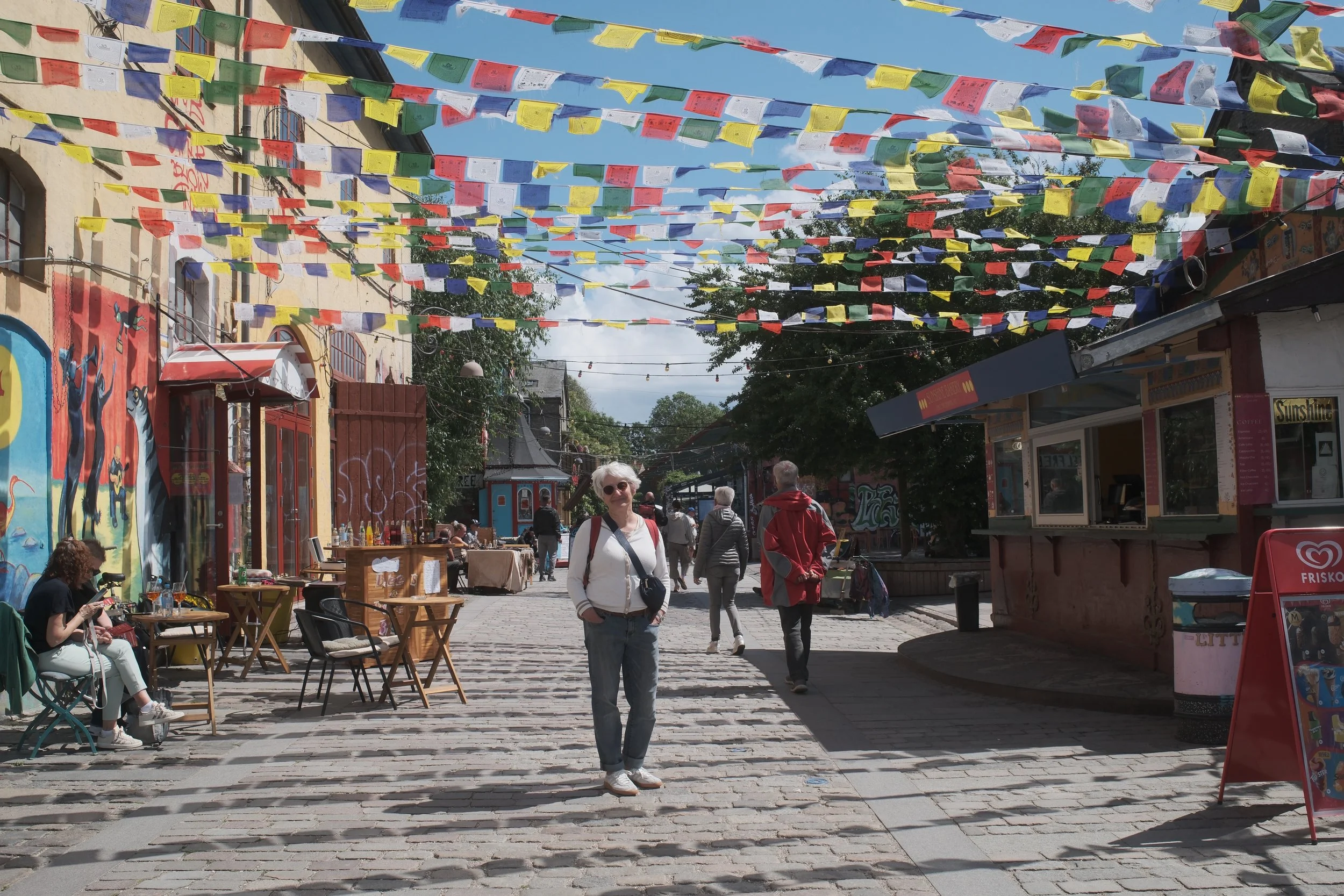
Based on the ETERNA cinema film line, launched in 2004 and expanded in 2005, known for its fine grain at high sensitivity and its precise skin tones. Film production ended in 2013, but the name was revived for the digital simulation introduced with the X-H1 in 2018. It's the least saturated and least contrasted simulation in the catalog, with a very flat curve and highlights gently "rolled off," almost entirely clipped, which can give an impression of underexposure at first glance. Conceived first as a neutral starting point for video grading, it also finds its place in still photography for post-processing, posed portraiture or architecture. No variation known between cameras.
ETERNA BLEACH BYPASS
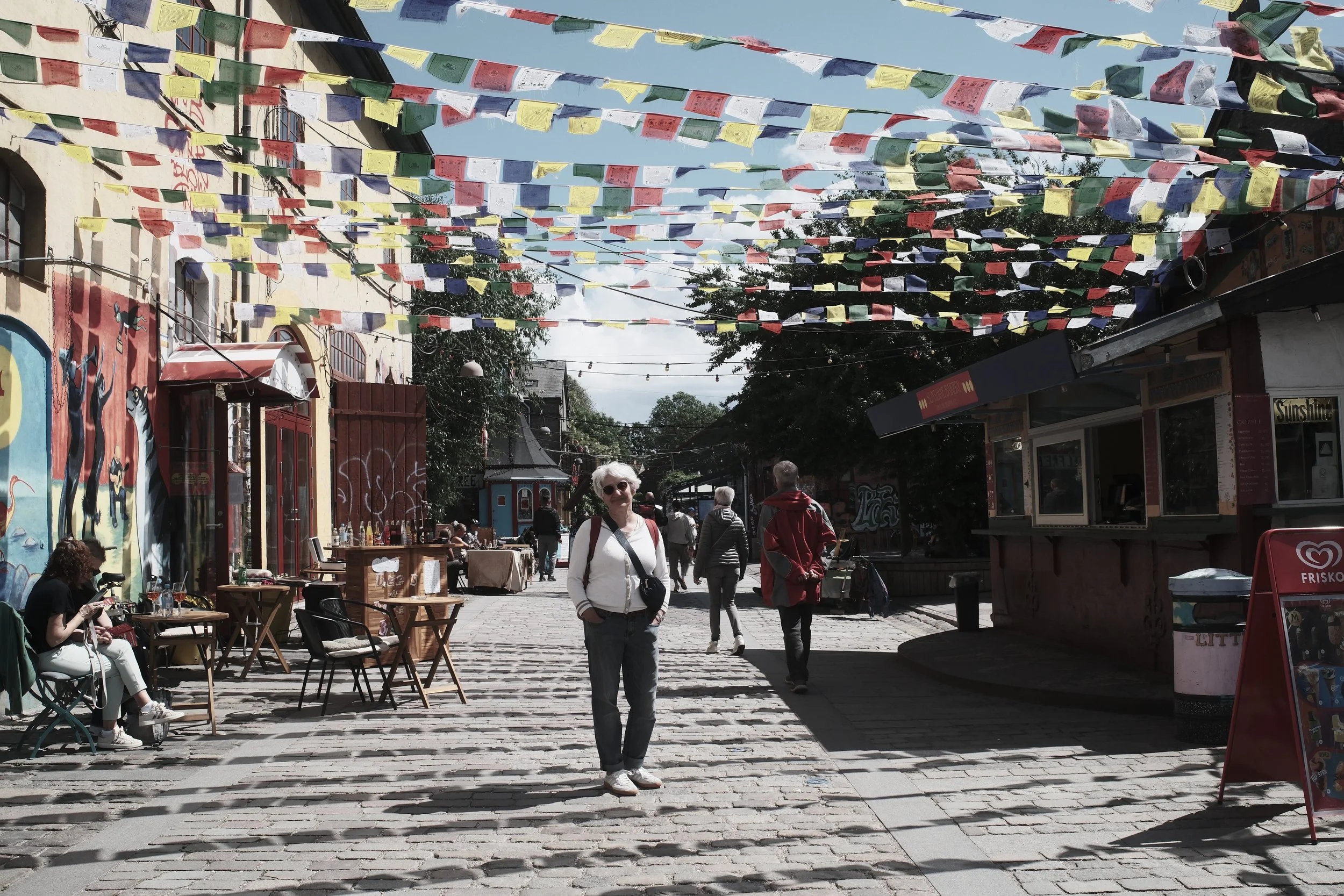
This simulation references bleach bypass, a film-lab technique that retains metallic silver alongside the color dyes, for a desaturated, high-contrast result with an almost metallic grain. Fujifilm describes it as delivering hard, serious images that, apart from being in color, resemble black-and-white photographs. Use: science-fiction cinema aesthetics, urban landscapes, modern architecture, dark or dramatic moods. Introduced with the X-T4 (X-Trans IV), it shows no variation on X-Trans V.
REALA ACE
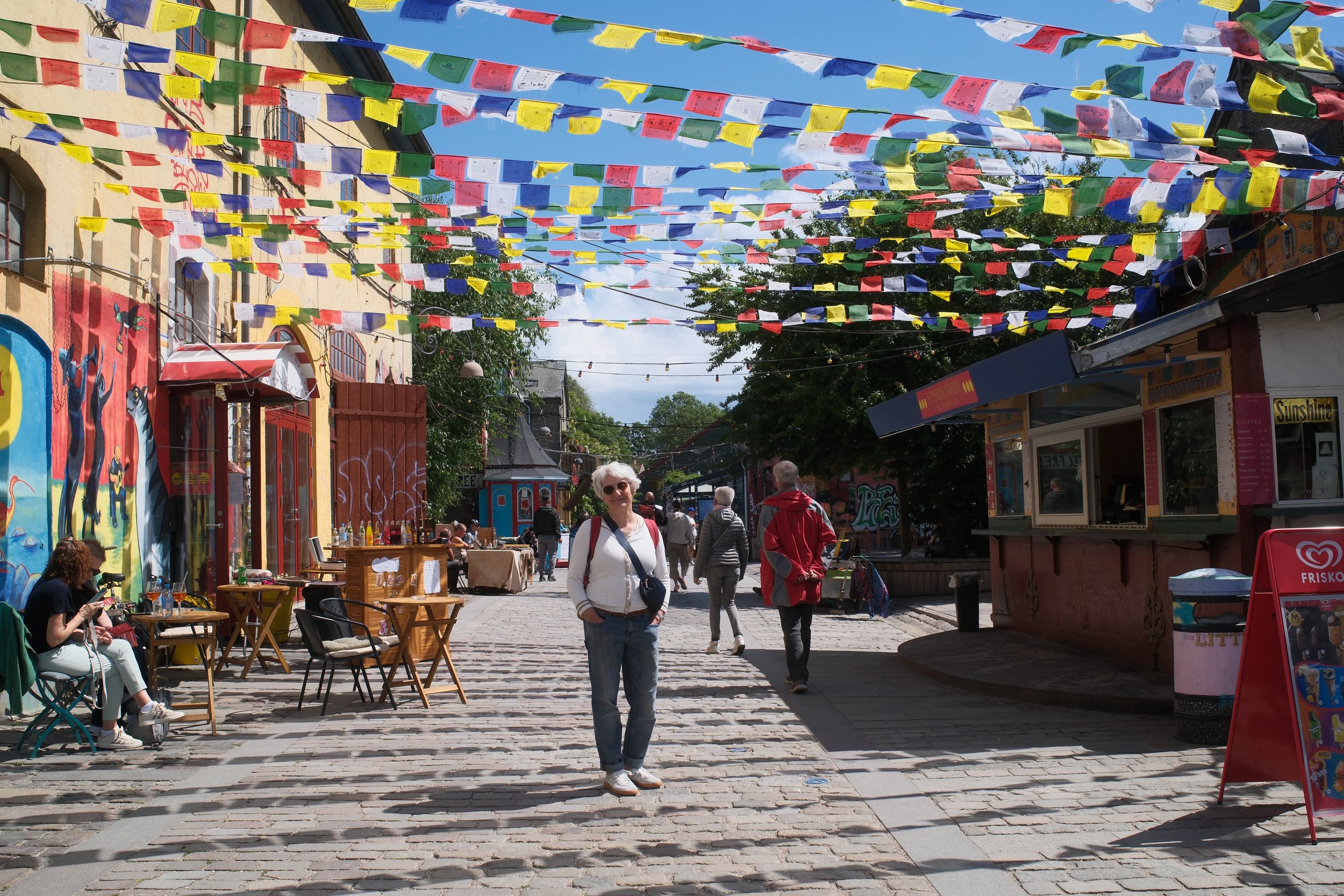
Based on Fujicolor Reala Ace, discontinued in 2013 and known for faithfully rendering complex colors — purples and yellow-greens — that traditional negatives struggled with. Fujifilm describes this simulation as a close evolution of the PRO Neg. family of professional negatives, with deep, soft shadows combined with hard highlights: the more saturated a subject is, the more deliberately muted its color becomes, a logic that runs opposite to additive saturation. Use: all-purpose, snapshots and family photos. It's the second simulation whose availability genuinely varied by camera: introduced with the GFX100 II in late 2023, it was presented at the time as exclusive to medium format, a claim the X100vi quickly disproved by including it natively from launch, in February 2024. The April 2024 firmware updates for the X-T5, X-H2 and X-S20 did not include it, however, before it arrived by firmware in June 2024 on the X-T5, X-H2, X-H2S and X-S20. The X-T50, GFX100S II, X-E5, X-M5 and X-T30 III include it natively at launch. Every current X-Trans V camera has it today, some having simply received it after the fact.
ACROS
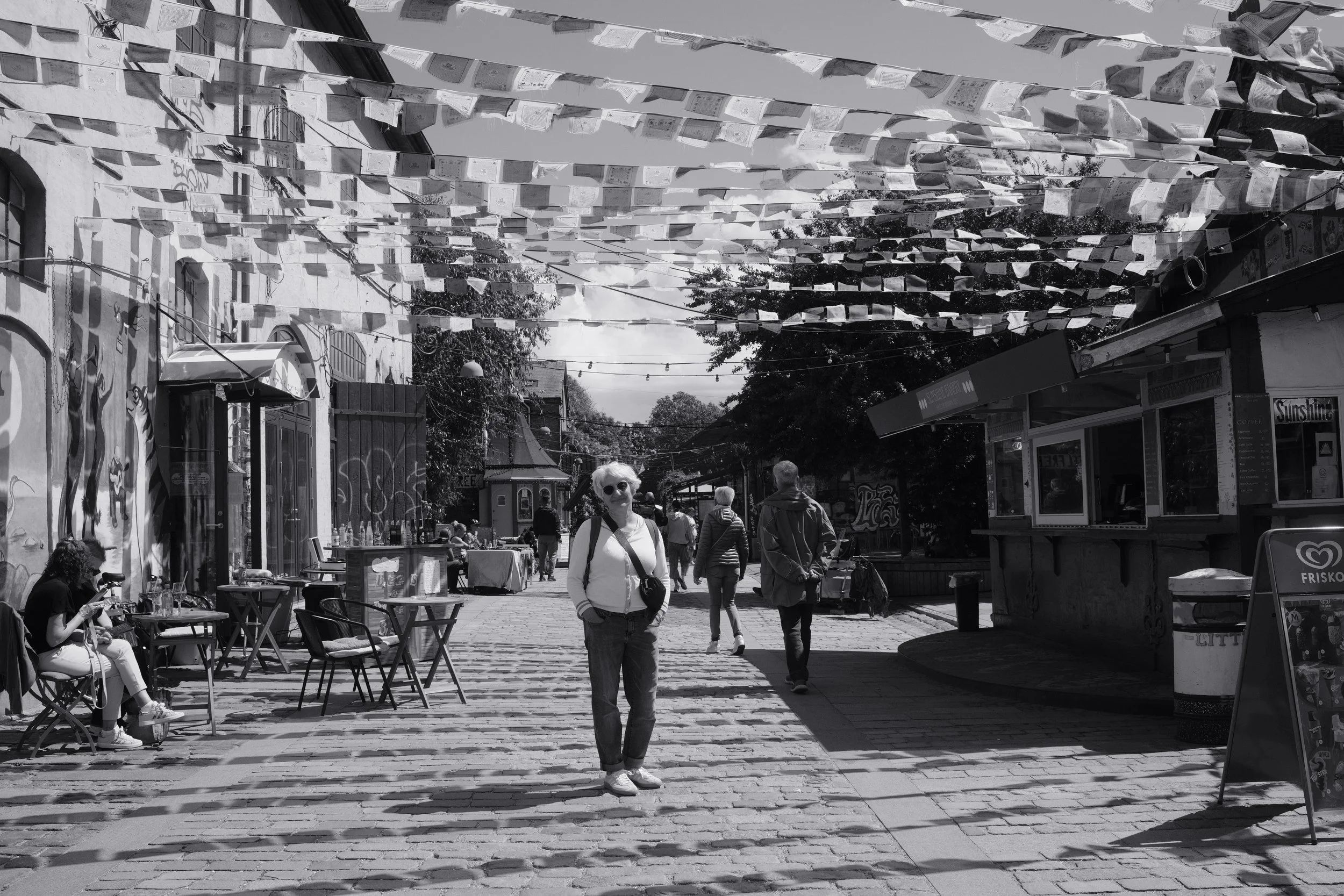
Based on Fujifilm Neopan 100 Acros, launched in 2000 and known for its grain quality at ISO 100. The digital simulation, introduced in 2016 with the X-Pro2, applies a noise-reduction algorithm that turns sensor noise into an analytical grain texture, varying with local brightness and ISO, for a more organic look than plain digital noise. Its gradation is rich, its sharpness high, and its contrast pronounced without being harsh. Use: art, portrait, street, everyday scenes. Present since the X-Pro2 and X-T2 (X-Trans III), no difference in behavior is documented between X-Trans V cameras. Three colored filters — Yellow, Red and Green — alter its rendering; their differences are detailed further below.
MONOCHROME
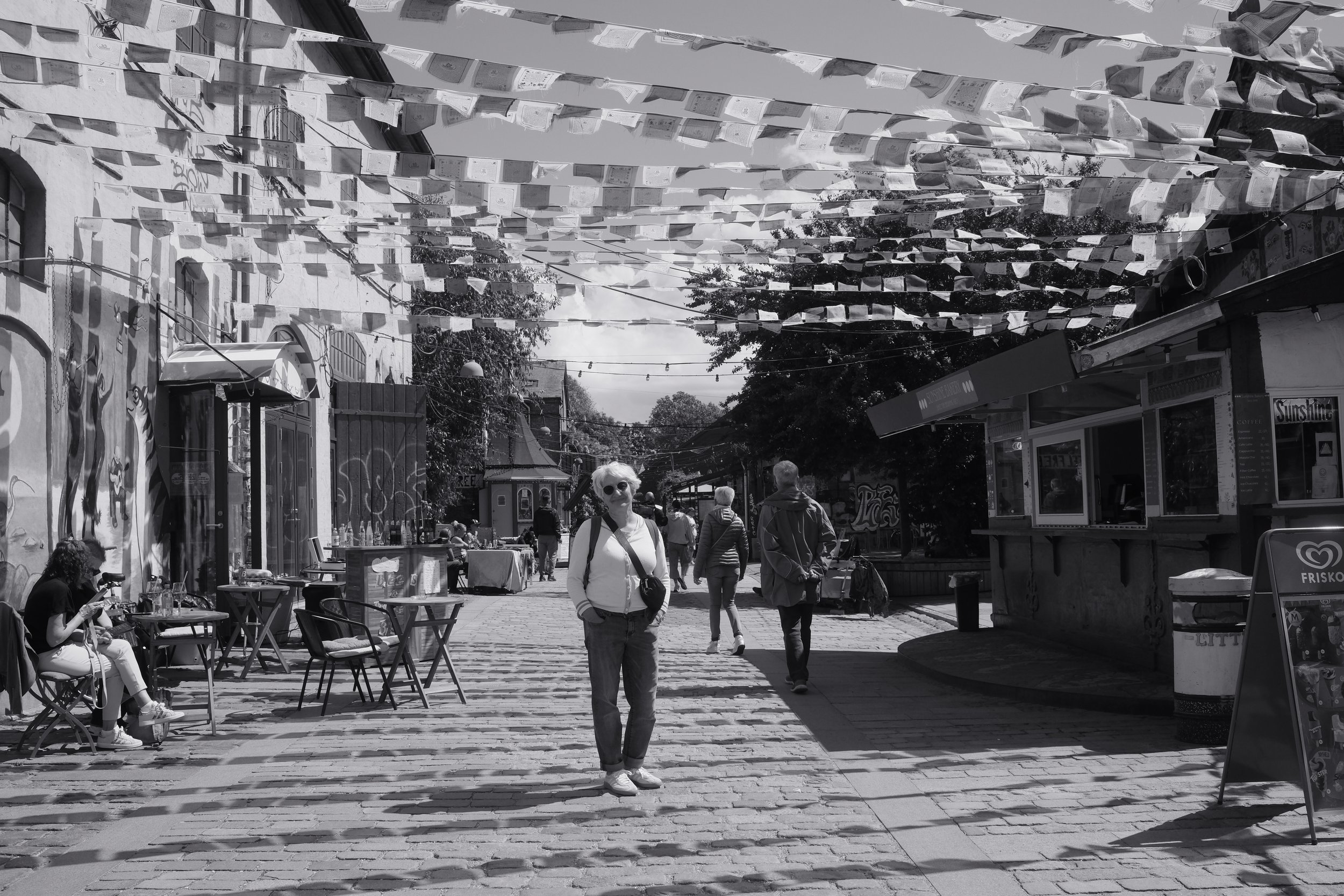
With no specific film associated to it, Monochrome is often described as a Provia stripped of all color information. Its tone curve is flatter than ACROS's, its contrast less pronounced, and its digital grain more random: a uniform overlay effect rather than an analytical texture. Use: general-purpose black and white, an alternative to ACROS for a more neutral, less textured look. No variation known between X-Trans V cameras. It shares the same colored filters as ACROS, detailed further below, with the same effects on the image.
The Colored Filters of ACROS and Monochrome
ACROS and Monochrome each exist in four variants in the camera menu — Standard, +Ye (yellow), +R (red) and +G (green) —, which simulate the colored filters placed in front of the lens in black-and-white film photography, and produce identical effects on both simulations. Standard follows the simulation's own gray curve, with no further intervention. The Yellow filter slightly darkens purples and blues, for a moderate sky/cloud contrast close to natural perception. The Red filter pushes this much further, strongly darkening blues and greens for very dark, dramatic skies: it's the most pronounced of the three. The Green filter works the opposite way on warm tones, darkening reds and browns, including skin tones, a choice frequently recommended for smoothing and softening skin rendering in portraiture. Use: Yellow for versatile, natural-looking black and white, Red for landscape and dramatic skies, Green for portraiture.
SEPIA
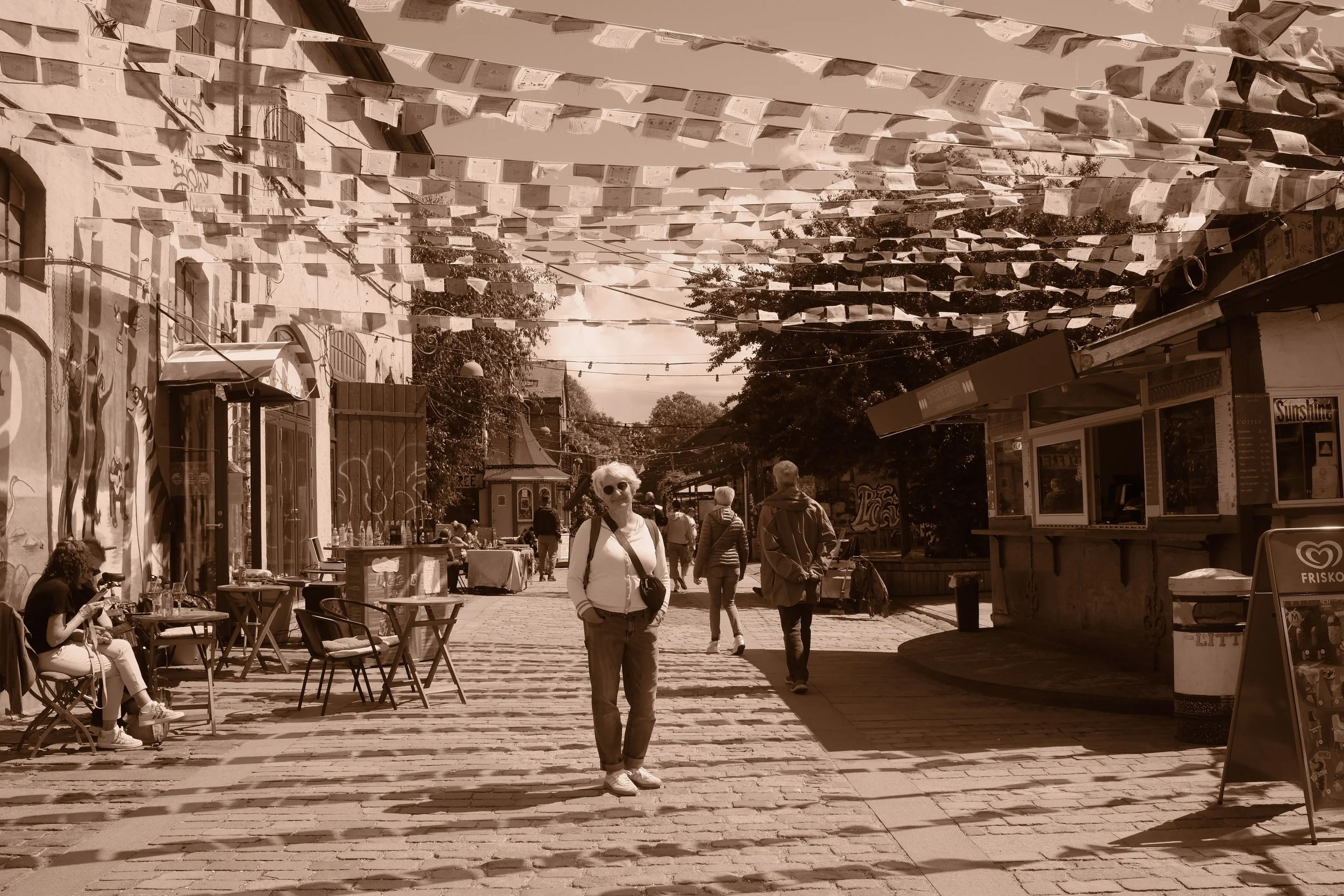
This simulation references the silver-based sepia toning process, a chemical bath that stabilizes metallic silver for a warm reddish-brown hue. Its structure is identical to Monochrome's, with that hue applied across the entire image for a retro effect. Fuji X Weekly calls it the forgotten simulation: present since the very first X100 in 2011, it remains little used, especially since the arrival of Monochromatic Color, a customizable toning option introduced with X-Trans IV. No variation known between cameras.
Going Further
To observe these twenty simulations in their pure state — with no other setting altering the rendering —, the Nothing Selected post offers a step-by-step approach and reference settings to replicate before any comparison.
These twenty simulations form the base palette from which every additional setting — covered in the following posts — refines the rendering. They aren't simple filters to try once and forget: understood in depth, they become the foundation on which a recipe is built.
— Louis-Martin Ouellet
In the photo, Giuseppina at the entrance to the Freetown of Christiania, Denmark. This blog's ten recipes — the seven CW and the three NS — all live in the Recipe Cellar, a space where they simply wait to be discovered.